

Best Dog Harnesses For Beginners In 2026
🏆 Top Picks at a Glance
 #1
Best Overall
WINGOIN Tactical Dog Harness for Large Dogs,No Pull Heavy Duty Dog Harness
$23.39
Check Price →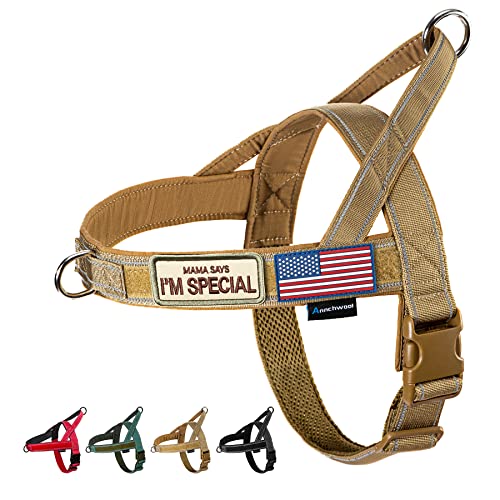 #2
Runner Up
Annchwool No Pull Dog Harness with Soft Padded Handle,Reflective Strip Escape Proof and Quick Fit to Adjust Dog Harness,Easy for Training Walking for Small & Medium and Large Dogs(Brown,L)
$18.99
Check Price →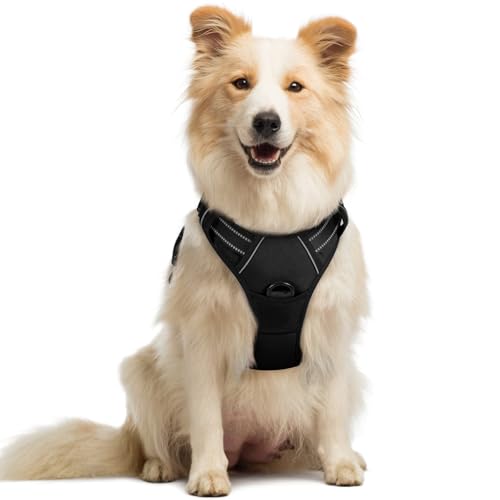 #3
Best Value
rabbitgoo Dog Harness, No Pull Medium Sized with 2 Leash Clips, Pet Vest
$16.69
Check Price →Most beginner harness mistakes do not show up in the living room—they show up when a dog hits the end of the leash, backs out, or turns a quiet walk into a lunging rehearsal. As a certified professional dog trainer who has seen hundreds of dogs and owners struggle with gear that looks cute but fails in real use, I look first at fit, adjustability, leash attachment, and the dog’s temperament. Treeline Review’s June 10, 2026 guide, written by a CPDT-KA after testing harnesses over multiple months, notes that a well-fitting harness can be safer for a dog’s body than a collar, especially for pullers because it spreads force across the body instead of concentrating it on the neck and trachea. This roundup compares eight beginner options—from small-dog step-in vests to reflective, handled, dual-clip, and heavy-duty designs—so you can choose gear that supports positive reinforcement and desensitization rather than expecting a harness to fix reactivity or prey drive by itself.
⚡ Quick Answer: Best Dog Harnesses
Best Heavy-Duty Pick: WINGOIN Tactical Dog Harness for Large Dogs,No Pull Heavy Duty Dog Harness
$23.39 — Check price on Amazon →
Table of Contents
Main Points
- Best overall for most beginners: the rabbitgoo medium vest. If its chest and neck measurements fit, it is a simple everyday starting point; choose the rabbitgoo large vest, the PHOEPET medium vest, the WINGOIN, or the large-breed PHOEPET for a larger or stronger dog, the Annchwool when adjustment, visibility, or close handling matters, and either Voyager Step-in Air option for a small dog that suits a step-in vest.
- Use leash clips as handling options, not training shortcuts. The rabbitgoo medium and large vests offer two leash clips, while the PHOEPET medium vest specifies a front clip. Choose the setup that gives you control without relying on pulling or yanking; loose-leash skills still come from consistent reinforcement and handling.
- Match the harness to the job. A neighborhood-walking harness is not automatically the right choice for running, biking, hiking, skiing, or snowshoeing. The WINGOIN and large-breed PHOEPET are positioned for larger dogs, while the Annchwool emphasizes quick adjustment, a padded handle, and reflective details; let the dog’s size, escape risk, and walking conditions guide the choice.
- For small dogs, prioritize a stable step-in fit over color. The two Voyager Step-in Air options are small and differ in fuchsia or moss green; choose based on whether a step-in vest stays secure during movement, not on color alone.
- Use visibility and handling features thoughtfully. Reflective details may help in dim conditions, and a handle can provide brief control near doors, streets, or triggers; neither feature is a reason to yank or lift a reactive dog. Check stitching, buckles, clips, and fit regularly.
Our Top Picks
Affiliate disclosure: if you buy through these links, we may earn a commission at no extra cost to you.
Factors to Consider
Frequently Asked Questions
Is a dog harness safer than a collar for beginners?
A properly fitted harness can reduce direct pressure on a dog’s neck, especially when the dog pulls, but it is not automatically safer than a collar. It should stay secure without rubbing, twisting, or restricting normal movement.
How do I measure my dog for a harness?
Use a soft tape measure around the deepest part of your dog’s rib cage, usually just behind the front legs, and compare the result with the harness’s size chart. Do not choose by breed or weight alone.
What type of harness is best for a dog who pulls?
A front-clip or dual-clip harness can make pulling easier to manage, but it does not teach loose-leash walking by itself. Pair it with rewards-based training and choose a design that allows normal movement.
Can a harness help a reactive dog?
A harness can improve handling and reduce pressure on the neck, but it does not cure reactivity. Use a secure, escape-resistant design alongside distance and gradual behavior work, and create space when your dog is already highly aroused.
Can I use the same harness for walking, hiking, and running?
Sometimes. Use one harness across activities only when it remains comfortable and stable while allowing a full range of motion. For long hikes or faster exercise, check that it does not shift or rub.
How should I introduce my dog to a new harness?
Let your dog sniff the harness, offer treats near it, and reward calm behavior before putting it on. Start with a few seconds indoors, gradually increase wearing time, and stop before your dog becomes worried or tries to escape.
How often should I clean or replace a dog harness?
Follow the care instructions, clean the harness after muddy, wet, or salty outings, and let it dry completely before storing it. Inspect the webbing, stitching, buckles, adjustment slides, and leash rings regularly. Replace any harness with frayed material, cracked hardware, or slipping adjustments.
Conclusion
The best beginner harness is not the cutest one or the one with the boldest “no-pull” promise; it is the one that fits securely, allows natural movement, and matches your dog’s temperament and intended activity. Start with an adjustable, well-constructed design that gives you reliable control, then use it as part of positive-reinforcement training so both you and your dog can walk with more confidence. For a clear best-overall beginner choice, start with the Annchwool No Pull Dog Harness with Soft Padded Handle,Reflective Strip Escape Proof and Quick Fit to Adjust Dog Harness,Easy for Training Walking for Small & Medium and Large Dogs(Brown,L). For a simple size-based choice, pick the Voyager Step-in Air Dog Vest Harness - Fuchsia, Small or Voyager Step-in Air Dog Vest Harness - Moss Green, Small for a small dog, the rabbitgoo Dog Harness, No Pull Medium Sized with 2 Leash Clips, Pet Vest for a medium-sized dog, and the rabbitgoo Dog Harness, No Pull for Large Dogs with 2 Leash Clips, Pet Vest for a large dog; choose the WINGOIN Tactical Dog Harness for Large Dogs,No Pull Heavy Duty Dog Harness when heavy-duty construction is the priority.
