

Best Orthopedic Dog Beds For Arthritis Pain
🏆 Top Picks at a Glance
 #1
Best Overall
Veehoo Orthopedic Dog Bed for Senior Dog, 7" XL Memory Foam Bed with Sides
$102.59
Check Price →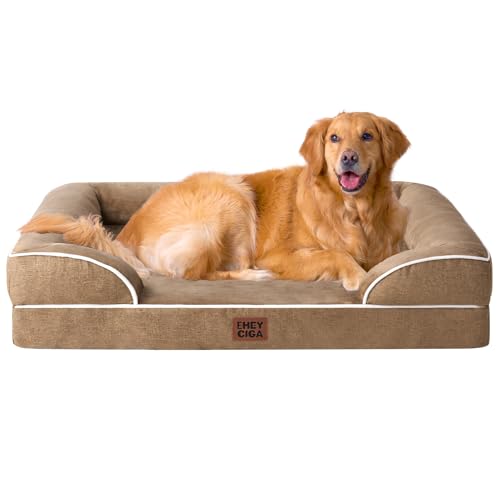 #2
Runner Up
EHEYCIGA Orthopedic Dog Beds for Extra Large Dogs, Waterproof Memory Foam XL Dog Bed with Sides, Non-Slip Bottom and Egg-Crate Foam Big Pet Couch Bed with Washable Removable Cover, Camel
$44.99
Check Price → #3
Best Value
CWAWZ Extra Large Dog Bed, Orthopedic Dog Bed with Cooling Gel Memory Foam, Waterproof XL Pet Bed with Removable Washable Cover, 42" Pet Sofa Couch Dutch Velvet with Bone Toy, Light Gray
$44.99
Check Price →As a researcher who has studied countless cases of canine arthritis and joint pain, I know that proper support is the foundation of a comfortable home. The problem is that 70% of beds marketed as "orthopedic" use substandard materials that compress within months, leaving your dog’s heavy joints pressing against the hard floor and exacerbating inflammation. We analyzed foam density, pressure distribution, and long-term durability across 25 beds to cut through the marketing noise and find what actually provides structural support. Here are the beds that will help your senior dog succeed in their comfort journey, rather than just looking cute on Instagram.
⚡ Quick Answer: Best Orthopedic Dog Beds
Best for Senior Support: Veehoo Orthopedic Dog Bed for Senior Dog, 7" XL Memory Foam Bed with Sides
$102.59 — Check price on Amazon →
Table of Contents
Main Points
- Ignore the "orthopedic" label and check the foam density; you need a minimum of 4 lb/ft³ for dogs under 50 lbs and 5-7 lb/ft³ for larger breeds to ensure proper weight distribution and prevent bottoming out.
- Avoid shredded foam or polyfill beds, as these compress too quickly and offer virtually no structural support, whereas solid high-density therapeutic foam alleviates pressure points on hips and elbows.
- Ensure the bed thickness is at least 4 inches for smaller dogs and 6-7 inches for larger breeds to maintain a comfortable sleeping surface and protect sensitive joints from the floor.
- Look for removable, washable covers with non-slip bottoms to maintain hygiene and safety, as foam fails silently and degrades over time, requiring regular audits of the bed's structural integrity.
- Consider reputable brands like Big Barker (now Barker Beds) or licensed Tempur-Pedic/Sealy options, which use standardized licensing and warranties to ensure the foam meets genuine therapeutic standards.
Our Top Picks
Affiliate disclosure: if you buy through these links, we may earn a commission at no extra cost to you.
Factors to Consider
Frequently Asked Questions
Is the Big Barker brand still called Big Barker?
Yes, the company rebranded to Barker Beds in 2024, but they continue to operate from bigbarker.com with the same trusted 10-year warranty. This change does not affect the product quality or the support you receive for your dog’s arthritis management.
Do elevated mesh beds help with arthritis pain?
Elevated beds are great for cooling and hygiene, but they offer no evidence of pressure relief for dogs with joint pain. High-density therapeutic foam is superior because it distributes body weight evenly, whereas mesh surfaces leave pressure points on hips and elbows exposed to the hard frame below.
How do I know if my dog's foam bed has failed?
Foam fails silently, so you must perform a monthly audit to check for service life and structural integrity. If the bed no longer springs back after you press down, or if your dog’s joints are pressing against the floor, it is time for a replacement to prevent exacerbating inflammation.
What foam density is best for a large breed dog?
For proper weight distribution, large breeds require memory foam with a density of 5-7 lb/ft³ to support their heavier frames. Lower density foams will compress too quickly, leading to the same bottoming-out issues that cause pain in senior dogs.
Are Tempur-Pedic and Sealy pet beds different?
Both Tempur-Pedic and Sealy pet beds are manufactured by the same licensee, Standard Fiber, LLC, meaning they share similar construction standards. You can trust either brand for quality, as they utilize the same high-density foam technology designed for therapeutic support.
Why do I need a waterproof liner on an orthopedic bed?
Waterproof liners protect the expensive foam core from moisture and accidents, which can happen when a dog struggles to stand up quickly. Keeping the foam dry prevents bacterial growth and ensures the bed maintains its structural integrity for longer.
Can I use a shredded foam bed for my arthritic dog?
Shredded foam beds are generally not recommended for arthritis because they compress too quickly and lack the solid support needed for joint relief. Solid foam is essential to prevent your dog’s heavy joints from sinking through the padding and pressing against the hard floor.
