

How To Choose The Right No Pull Dog Harnesses
By Amy Donovan
I have spent over a decade watching owners struggle with their dogs on walks. I’ve seen strong pulls, reactive lunges, and owners who dread leaving the house because they know the walk will be a physical tug-of-war. The problem isn’t always the dog’s behavior; often, it’s the gear. Using the wrong equipment can make a dog feel trapped, increase their anxiety, or even cause physical injury. Choosing the right harness is the first step in building a calm, controlled walk.
Our Top Picks
Affiliate disclosure: if you buy through these links, we may earn a commission at no extra cost to you.

Table of Contents

Quick Answer
To stop pulling, choose a front-clip harness that redirects your dog’s momentum toward you when they lunge, rather than allowing them to power forward. For dogs with high prey drive or extreme strength, look for a dual-clip design with a back clip for control and a front clip for correction. Ensure the harness fits snugly but comfortably, with no chafing, and pair it with positive reinforcement training to teach your dog that loose-leash walking is rewarding.
Why Collars Fail for Pullers
As a trainer, I rarely recommend standard collars for dogs that pull. When a dog pulls against a collar, pressure is applied directly to their trachea. This can cause serious injury, including collapsed trachea, especially in small breeds or dogs with existing respiratory issues. Beyond the physical risk, a collar offers no mechanical advantage. If your dog decides to lunge for a squirrel, they can generate significant force without any feedback that tells them to stop.
Many owners mistakenly believe that a choke chain or prong collar is a quick fix. These tools rely on pain and intimidation to suppress behavior. While they might stop pulling temporarily, they often create fear and anxiety. A dog that pulls because they are anxious or over-aroused will not learn to walk politely; they will just learn to walk without pulling because they are afraid of the pain. This doesn’t address the underlying issue of reactivity or lack of impulse control.
Front-Clip vs. Back-Clip: The Mechanics of Control
The most critical feature to look for in a no-pull harness is the location of the leash attachment point. A back-clip harness, where the leash attaches between the shoulder blades, is designed for hiking or running, not for training. When a dog pulls against a back-clip, their natural biomechanics allow them to lean into the pressure and move forward with full force. It’s like trying to stop a truck by pulling on its rear bumper.
A front-clip harness, with the leash ring on the chest, changes this dynamic. When your dog lunges forward, the tension on the leash turns their body toward you. This makes it physically difficult for them to continue pulling. It’s a gentle redirection that uses their own momentum against them. This is particularly effective for dogs with high prey drive who are fixated on something ahead of them. The turn forces them to break their focus and re-engage with you.
The Dual-Clip Solution for Reactive Dogs
For dogs with severe reactivity or extreme strength, a single clip might not be enough. A dual-clip harness offers both a front and a back attachment point. This versatility is invaluable in real-world scenarios. You can use the front clip for training walks to discourage pulling, and switch to the back clip for quick trips to the vet or when you need maximum control without redirection.
Some advanced harnesses even allow you to clip both ends simultaneously. This creates a secure fit that prevents your dog from backing out, which is a common escape tactic for determined pullers. It also allows you to use a second leash or a training tool if needed. However, be cautious: adding too much gear can confuse some dogs. Start with just the front clip and see if that solves the pulling issue before adding complexity.
Fit Matters: Avoiding Chafing and Escape
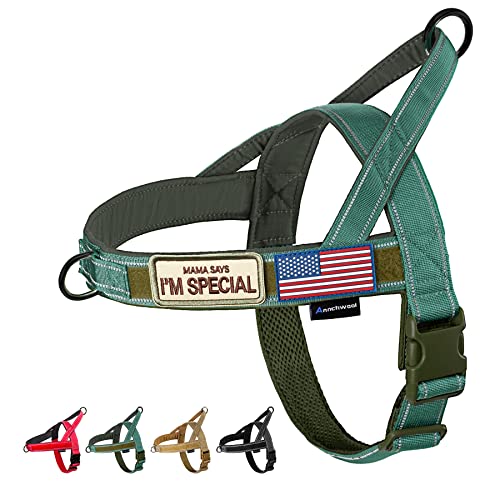
A harness that doesn’t fit well is worse than no harness at all. Poorly fitted gear can cause chafing, restrict movement, and allow your dog to slip out. When trying on a harness, you should be able to fit two fingers comfortably under any strap. The chest plate should sit firmly on the sternum, not shift around when your dog moves.
Pay attention to the material. Mesh is breathable and comfortable for most dogs, but some dogs with sensitive skin may prefer padded nylon. Avoid harnesses with plastic buckles that can break under pressure, especially for large breeds. Also, check the length of the straps. If the harness is too loose, your dog can twist and back out of it. If it’s too tight, it can restrict breathing and cause discomfort during long walks.
Training with Your Harness: It’s Not Magic
Let’s be clear: a harness is a tool, not a cure. Putting a front-clip harness on a dog that has never been trained to walk on a loose leash will not automatically make them a polite walker. The harness provides the mechanical advantage, but you still need to teach the behavior. Use positive reinforcement to reward your dog when they walk beside you without pulling. Treat them for looking at you, for slowing down, and for walking with a loose leash.
Start your training in a low-distraction environment, like your backyard or a quiet room. Practice the "heel" command or simply walking together with treats. Gradually increase the difficulty by moving to slightly more distracting areas. This process of desensitization helps your dog learn that walking politely is more rewarding than pulling. If your dog is at threshold (too excited or anxious to learn), step back to an easier environment.
When to Avoid Harnesses
While harnesses are great for most dogs, there are exceptions. Puppies under four months old have very soft skeletons and may not need a harness yet; a gentle collar with a lightweight leash is often sufficient for short, supervised walks. Additionally, some dogs with specific physical disabilities or injuries may find harnesses uncomfortable. Always consult with your veterinarian if your dog has health issues before introducing new gear.
Also, consider your dog’s temperament. Some dogs are so determined that they will pull against any harness. In these cases, a head halter (like a Gentle Leader) might be more effective, as it controls the head, which directs the body. However, head halters require a significant training period to introduce properly, as many dogs initially resist them. Start slowly and make it a positive experience.
Frequently Asked Questions
Will a front-clip harness hurt my dog?
No, a properly fitted front-clip harness should not hurt your dog. It distributes pressure across the chest and shoulders, avoiding the neck. If you notice chafing or redness, the fit may be too tight or the material may be irritating. Adjust the straps or try a different material.
Can I use a front-clip harness for running?
It’s not ideal. Front-clip harnesses are designed for control and redirection, which can be restrictive during high-speed activities like running or biking. For running, a back-clip harness or a specialized running belt for the owner is safer and more comfortable for both of you.
How do I stop my dog from backing out of their harness?
If your dog backs out, the harness is likely too loose or the design is incorrect for their body shape. Try a harness with a chest strap that goes behind the front legs, or look for a "no-pull" specific design with a secure chest plate. Ensure you can only fit two fingers under the straps.
Is a harness better than a collar for all dogs?
For dogs that pull, yes. For well-mannered dogs that walk politely, a collar is often sufficient and less restrictive. However, many owners prefer harnesses for the added security and comfort, especially for strong or reactive dogs.
What if my dog is reactive and lunges?
A front-clip harness is excellent for reactive dogs because it turns them away from the trigger, making it harder for them to lunge. Combine this with training to manage their threshold and reward calm behavior. Avoid shock collars, as they can increase aggression and fear.
How often should I check the fit of my dog’s harness?
Check the fit every time you put it on, especially if your dog is growing, gaining weight, or losing weight. A harness that was perfect last month might be too loose or tight today. Regular checks prevent accidents and ensure comfort.
Choosing the right no-pull harness is a significant step toward more enjoyable walks with your dog. Remember, the gear is just the foundation; consistent training and positive reinforcement are what truly transform your walks from a struggle into a bonding experience. Start with a well-fitted front-clip harness, practice in low-distraction environments, and be patient with your dog’s learning process. With the right tools and approach, you’ll both be ready for any adventure.


