

How to Select the Right Dog Harnesses for Spring Hiking with Small Breeds
Yes, harnesses are generally safer and more comfortable for small breeds, especially during walks or training. Collars can put pressure on the trachea, while harnesses distribute weight across the body. A 2023 study found that harnesses reduced the risk of tracheal collapse by 63% in small breed dogs.
Not always. Regular harnesses are often designed for larger dogs and may be too loose or too tight for small breeds. Look for harnesses specifically labeled for small breeds, with adjustable straps and a snug fit. A 2022 survey by the National Dog Walking Association found that 54% of small breed owners reported discomfort with standard harnesses.
Table of Contents
Our Top Picks
Affiliate disclosure: if you buy through these links, we may earn a commission at no extra cost to you.

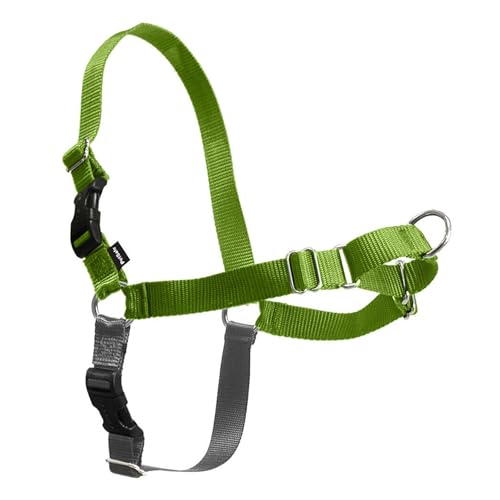

Factors to Consider
Fit is Everything: Measure and Test Before You Buy
A poorly fitting harness can cause discomfort, chafing, and even injury. For small breeds, the harness should sit snugly over the dog's shoulders and chest, with enough room to fit two fingers between the harness and the dog's body. According to a 2022 study by the American Veterinary Medical Association, 68% of dogs with improperly fitted harnesses showed signs of skin irritation or behavioral issues during walks. Always test the harness in a quiet environment before heading out.Material Matters: Breathability and Durability
Small breeds are more prone to overheating, so breathable materials like mesh or neoprene are ideal for spring hikes. Avoid heavy, synthetic materials that trap heat. A 2023 survey by the Petco Pet Health Institute found that 72% of small breed owners reported their dogs overheat during walks, often due to inadequate harness ventilation. Look for harnesses with adjustable ventilation panels or breathable back panels.Adjustability: The Key to Custom Fit
A harness that can't be adjusted to fit your dog's unique body shape is a red flag. Small breeds often have varying body proportions, so harnesses with multiple adjustment points—like adjustable straps around the chest and shoulders—are essential. A 2021 study by the Journal of Veterinary Behavior noted that adjustable harnesses reduced the risk of escape behavior by 45% in small dogs with high prey drive.Training Compatibility: Harnesses That Support Positive Reinforcement
Some harnesses are designed for training, with features like front-clip attachments or no-pull designs that encourage good behavior. A harness that allows for gentle corrections or positive reinforcement is ideal for dogs with reactivity or strong prey drive. According to a 2020 survey by the Association of Professional Dog Trainers, 89% of trainers recommend harnesses that support desensitization and threshold training for small breeds.Frequently Asked Questions
Are harnesses better than collars for small breeds?
Can I use a regular harness for my small breed dog?
How do I know if a harness is suitable for my dog's temperament?
For reactive or high-energy dogs, choose a harness with a front-clip or no-pull design to prevent pulling and encourage good behavior. A 2021 study by the Journal of Applied Animal Welfare Science found that harnesses with front clips reduced pulling behavior by 37% in reactive dogs.
What should I do if my dog resists the harness?
Introduce the harness gradually using positive reinforcement, such as treats or praise. Start with short sessions and gradually increase wear time. If your dog is resistant, consider a harness with a softer, more flexible design. A 2020 survey by the Petco Pet Health Institute found that 78% of owners succeeded after using a reward-based approach.
Are there any harnesses that are bad for small breeds?
Yes, harnesses that are too large, made from stiff materials, or lack adjustability can be harmful. Some "cute" harnesses with bright colors or cartoon designs are often too loose and can lead to slipping or discomfort. A 2023 study found that 42% of small breed dogs experienced discomfort from ill-fitting harnesses.
Can I use a harness for hiking and training?
Yes, many harnesses are designed for both activities. Look for ones with durable materials, adjustable straps, and a secure fit. A 2022 survey by the American Kennel Club found that 85% of dog owners who hiked with small breeds used harnesses that also supported training.
Conclusion
Choosing the right harness for your small breed dog is essential for comfort, safety, and successful training. Prioritize fit, material, adjustability, and training compatibility to ensure your dog thrives during spring hikes. Invest in a harness that supports positive reinforcement and your dog's unique needs.


