

Dog Crates Buying Guide: What to Look For in 2026
🏆 Top Picks at a Glance
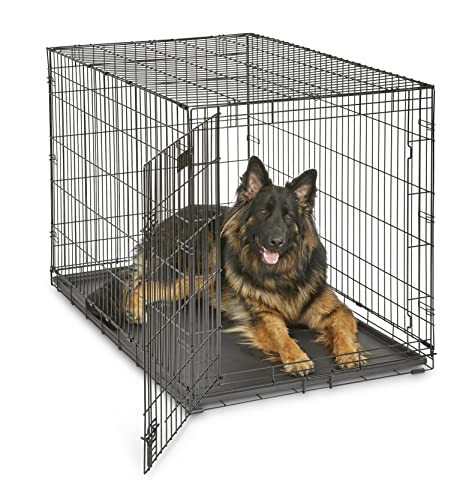 #1
#1
Best Overall
MidWest Homes for Pets 48-Inch iCrate for Extra-Large Breeds, 90-110 lbs, Single Door Folding Dog Crate with Divider Panel, Leak-Proof Tray & Secure Latches, Portable, Durable & Easy to Assemble
$89.99
Check Price → #2
#2
Runner Up
Amazon Basics Portable, Collapsible Metal Wire Dog Crate with Removable Tray, Double Door, Easy to Assemble, Divider Panel for Large Dogs, 42" x 28" x 30", Black
$76.01
Check Price →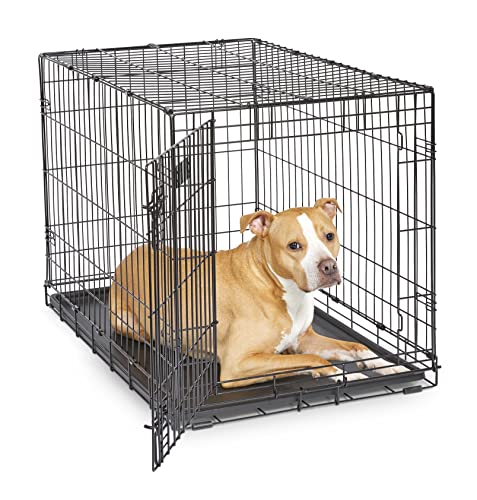 #3
#3
Best Value
MidWest Homes for Pets 36-Inch iCrate for Medium-Large Breeds, 41-70 lbs, Single Door Folding Dog Crate with Divider Panel, Leak-Proof Tray & Secure Latches, Portable, Durable & Easy to Assemble
$68.99
Check Price →Our Top Picks
Affiliate disclosure: if you buy through these links, we may earn a commission at no extra cost to you.
Factors to Consider
Size and fit — measure the dog, not the crate
⚡ Quick Answer
Always measure your dog from the tip of the nose to the base of the tail and from paw to shoulder while standing, then add 4–6 inches for length and a couple inches of headroom. For puppies choose a crate with a divider panel so you can reduce the usable space as they grow — prevents accidents and teaches bladder control. Too big a crate becomes a bathroom and escape rehearsal; too small creates stress and can block airflow or movement.
Table of Contents
Material and durability — match the crate to your dog’s behavior
Wire crates are great for visibility and airflow, but they won’t hold up to persistent chewers or high reactivity; heavy-duty welded-steel crates with reinforced latches are the right choice for dogs that test boundaries. Plastic/flight crates are useful for secure travel and for dogs that like denning, but check ventilation and airline requirements. Soft-sided crates are only for calm, supervised dogs — they look cute but fail fast with high prey drive or separation stress.
Safety and escape-proofing — small details matter
Look for double-latched doors or spring-loaded catches, recessed hinges, and no exposed wires or sharp edges; escapes often happen because of a cheap latch or weak weld, not design. If your dog is a climber or pawer, choose a crate with a top door option or a folding top that can be latched shut. For serious escape artists consider bolt-on latches or commercial-grade crates used by trainers and shelters.
Comfort, ventilation and sensory management
Ventilation should be sufficient without over-stimulating a reactive dog — wire crates give visibility (good for supervised desensitization) while a covered crate or a breathable crate cover can reduce arousal and help a dog stay below threshold. Use a waterproof, easy-to-clean base and a low-profile bed or crate mat that won’t slide; avoid fluffy beds for dogs that chew. For dogs with separation anxiety, combine a safe chew-proof toy and a predictable routine using positive reinforcement rather than leaving enticing bedding that could be destroyed.
Portability, maintenance and intended use
Decide if the crate is for daily home management, car travel, flights, or occasional use — each need points to a different style (heavy steel for home security, airline-certified plastic for flying, and lightweight folding wire for temporary setups). Removable trays and machine-washable covers save hours on cleaning and keep odors down; if you travel a lot, check airline size charts and FAA compliance. If you plan to use the crate for training, focus on ease of access for reward delivery and on designs that let you keep the door open for desensitization sessions.
Frequently Asked Questions
What size crate do I need for my adult dog?
Measure your dog standing from nose to tail base and add about 4–6 inches for length, and make sure there’s enough headroom when they sit. For height, measure from the floor to the top of their head or ears and add 2–4 inches; if buying for a puppy, use a divider panel so the same crate can fit as they grow.
How long can a dog safely stay in a crate?
Puppies need breaks every 1–2 hours because of bladder control; adult dogs can be crated for 4–6 hours depending on their age, training level, and tolerance. Longer periods require a plan for potty breaks, exercise, and enrichment — crate time should be part of a balanced routine, not punishment.
Which crate is best for a heavy chewer or escape artist?
You want commercial-grade welded-steel crates with reinforced corners, bolt-on latches, and thick gauge metal; some trainers use kennels designed for boarding facilities. Avoid soft-sided and thin wire collapsible crates — they look appealing but rarely withstand determined chewers or dogs with high prey drive.
Can a crate make separation anxiety worse?
A crate used as a punishment or introduced abruptly can heighten anxiety, but when properly desensitized using positive reinforcement and below-threshold steps it can become a safe, calming den. For severe separation anxiety, pair crate training with counterconditioning, structured departures, and professional guidance rather than using the crate as the only intervention.
Are soft-sided crates safe for airline travel or car use?
Soft-sided crates are generally not airline approved for cargo and are suitable only for calm dogs in supervised situations or for cabin-approved carriers if the airline allows it. For car travel, use a proper crash-tested crate or secure a rigid plastic/metal crate; soft crates offer limited protection in sudden stops.
How do I introduce my dog to a crate without causing stress?
Start with short, positive sessions: feed meals in the crate, toss high-value treats or toys inside, and keep the door open while your dog explores. Gradually increase time with the door closed only when the dog is relaxed, and always end sessions before your dog becomes anxious so you stay below threshold and build success.
What bedding and toys are safe to put in a crate?
Use a low-profile, chew-resistant mat for dogs that mouth bedding and save plush beds for supervised rest or after vetting the dog’s chewing history. Offer durable, size-appropriate toys and rotate them; avoid small parts and rawhide for high-prey-drive dogs, and choose toys that can be tethered or removed if ingestion risk is present.
Conclusion
Crate shopping in 2026 is about matching the crate to your dog’s behavior, lifestyle, and training goals — not the Instagram look. My recommendation: for most active or unsure dogs choose a heavy-duty welded-steel crate with a divider and a removable tray; reserve soft-sided or furniture-style crates for calm, supervised dogs. Pair any crate with patient desensitization and positive reinforcement so the crate becomes a safe space, not a punishment.


