

Dog Toys Buying Guide: What to Look For in 2026
🏆 Top Picks at a Glance
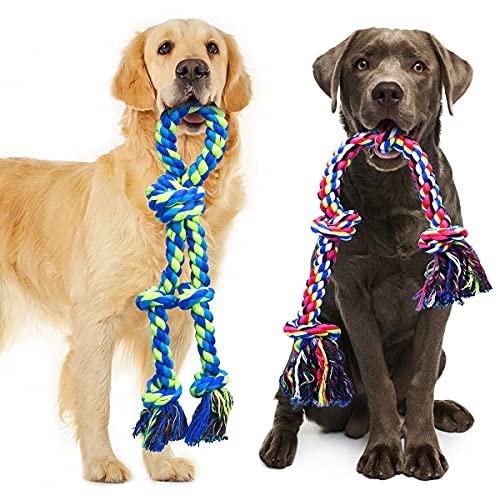 #1
#1
Best Overall
Feeko Heavy Duty Dog Rope Toys for Large Breed Aggressive Chewers, 2 Pack Indestructible Teeth Cleaning Tug of War Toy
$12.98
Check Price → #2
#2
Runner Up
XIUGOAL Dog Toys for Aggressive Chewers, 2 Pack No Stuffing Interactive Dog Toys for Boredom and Teething, Squeaky Chew Toy for Small, Medium Breed to Keep Them Busy
$12.89
Check Price →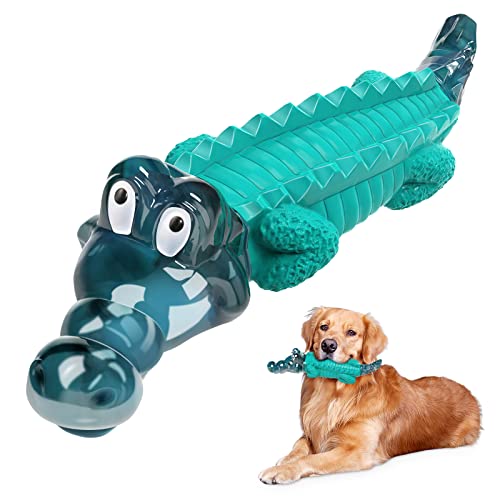 #3
#3
Best Value
Jeefome Dog Toys for Aggressive Chewers - Tough,Indestructible Dog Chew Toys for Large, Medium,Small Breed to Keep Them Busy
$11.99
Check Price →Our Top Picks
Affiliate disclosure: if you buy through these links, we may earn a commission at no extra cost to you.
Factors to Consider
Durability and Material: Match the toy to your dog’s bite
⚡ Quick Answer
Look beyond “cute” plush to the actual material properties: thermoplastic rubber, natural vulcanized rubber, high-density nylon, and tightly woven ballistic fabrics hold up to real mouths. If your dog is a heavy chewer, prioritize tear resistance and thick seams — thin plush with exposed squeakers is a fast failure and can become a choking hazard. For light chewers and gentle players, soft plush with reinforced stitching is fine, but always supervise; any frayed edge or exposed stuffing means retire the toy.
Table of Contents
Size and Shape: Prevent choking and frustration
Pick a size that prevents the toy from fitting entirely in your dog’s mouth — smaller doesn’t always equal safer. Long, narrow toys (sticks, soft bones) can press teeth together and cause dental issues, while oversized floppy toys can trip low-rise noses. Consider breed jaw shape and mouth depth: a lab and a Yorkie may both love balls, but the right diameter differs dramatically.
Play Style and Drive: Match toys to behavior and training goals
Assess whether your dog is a chaser, tugger, chewer, or sniffer and build a toy rotation around that — high prey-drive dogs usually prefer chase and squeak, but squeakers can spike arousal and worsen reactivity if used near threshold. Use enrichment toys (puzzle feeders, snuffle mats) for mental work and to practice calmness with positive reinforcement, and save high-energy fetch or tug for sessions where you can manage intensity and reward settling afterwards. If you’re working on desensitization to triggers, use low-arousal chew toys at the edge of threshold to keep stress low while still rewarding progress.
Interactive vs. Single-use Toys: What actually improves behavior
Interactive toys (slow feeders, treat-dispensers, scent games) build problem-solving skills and can reduce boredom-related destruction, but they should be durable and easy to clean. Single-use novelty items are fine for supervised play but often fail under sustained bite pressure and become clutter. For training value, pick toys that allow you to add cues and rewards — e.g., a tug that releases for “drop,” or a toy that dispenses food only after the dog performs a behavior.
Cleaning, Safety Labels, and Longevity
Check whether a toy is dishwasher-safe, surface-washable, or hand-wash only, and factor in staining dyes and smell retention — porous foam and cheap plush trap bacteria. Look for non-toxic certifications (BPA-free, phthalate-free) and replace toys with loose parts, nicks, or exposed stuffing immediately. Budget-wise, buying one high-quality chew and one durable interactive toy will usually outlast several cheaper toys that look cute in photos but fail in real play.
Frequently Asked Questions
What toys are best for heavy chewers?
Choose thick, high-density rubber or nylon chews made specifically for heavy chewers and avoid thin plush or foam. Look for one-piece construction and reinforced seams; always supervise new chews and remove them if chunks break off. Consider rotating multiple durable chews so each gets a rest and lasts longer.
How do I pick the right toy size for my dog?
Measure so the toy can’t be swallowed whole and won’t wedge across the dog’s palate — a general rule is that a ball should be larger than the dog’s molar span. Check manufacturer size charts but also test safely: the dog should be able to mouth and carry the toy without it disappearing into the throat. When in doubt, go one size up.
Are squeaky toys bad for dogs with high arousal or reactivity?
Squeakers can intensify arousal and escalate reactive dogs, especially if used near the dog’s threshold or during trigger exposure. For dogs working on reactivity or high arousal, use quieter enrichment or chew toys and reserve squeakers for controlled sessions where you can reinforce calm behavior after play. If you do use squeakers, consider using them as a training tool with clear cues and calm rewards to manage intensity.
How often should I replace my dog’s toys?
Replace toys as soon as you see splitting seams, exposed stuffing, loose pieces, or small parts that can be chewed off — for aggressive chewers that might be every few weeks; for gentle players it could be months. Also replace soft toys that retain moisture or smell despite cleaning, as they can harbor bacteria. Keep a regular inspection habit: quick checks after play sessions prevent accidents.
Can toys help reduce separation anxiety or boredom?
Yes — interactive toys, food-dispensing puzzles, and scent work engage a dog’s brain and can reduce boredom-driven behaviors when used as part of a broader strategy. For separation anxiety, combine safe enrichment with desensitization to departures and short absence practice, and avoid toys that increase frantic energy. Rotate puzzles and treats so the toy remains novel and rewarding.
What toys are best for teething puppies?
Choose softer rubber toys designed for teething that can be chilled to soothe sore gums; avoid very hard nylon that can damage developing teeth. Small, light tug toys and textured chew rings can help relieve discomfort while teaching bite inhibition with supervised play. Swap toys frequently to keep interest and monitor for swallowed pieces.
Are puzzle feeders and treat-dispensing toys worth it?
Yes — when matched to your dog’s skill level they provide mental enrichment, slow eating, and a constructive outlet for problem-solving drive. Start with simple dispensers and increase complexity to avoid frustration; successful use is best supported with positive reinforcement and short, supervised sessions. If the dog destroys the puzzle, upgrade to a sturdier model rather than forcing them to use an unsuitable toy.
Conclusion
Buy toys that match your dog’s mouth, drive, and training goals — durable chews, a reliable interactive puzzle, a fetch option, and a soft comfort toy will cover most needs. Rotate and inspect regularly, use toys as part of positive reinforcement and desensitization plans, and skip anything that’s cute but falls apart under real play.


