

How To Choose The Right Dog Car Seats
If you’re like many dog owners, traveling with your furry friend means more than just a quick ride to the park. A good dog car seat isn’t just about keeping Fido restrained—it's about safety, comfort, and reducing stress during travel. Wrong or cheap gear can lead to distractions, injuries, or worse, especially if your dog has reactive tendencies or prey drive. The right seat matches your dog’s size, temperament, and your vehicle, making every trip safer and more enjoyable.
Our Top Picks
Affiliate disclosure: if you buy through these links, we may earn a commission at no extra cost to you.

As a seasoned trainer, I’ve seen countless owners try to "DIY" their way into safe travel solutions with gear that looks cute but doesn’t hold up. This guide will help you navigate the options and make an informed choice based on practical needs—not just marketing claims. Whether you’ve got a nervous traveler or a lively escape artist, I’ll walk you through what to look for in a dog car seat that truly supports your journey.
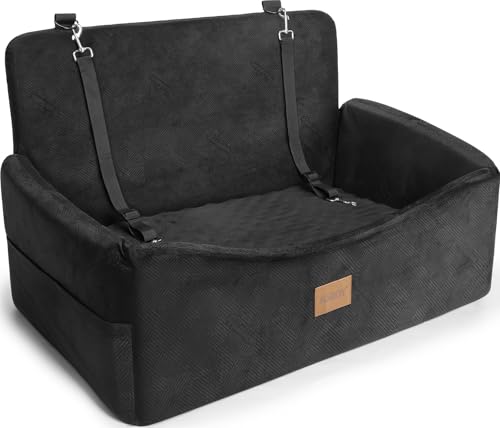
JOEJOY Dog Car Seat for Large Medium Sized Dogs Under 55 lbs, Dog Booster Seat for 2 Small Dogs with Washable Cover, Memory Foam Pet Car Seat with 2 Safety Belts and Pockets, Rear Seats Only
$50.99Check Price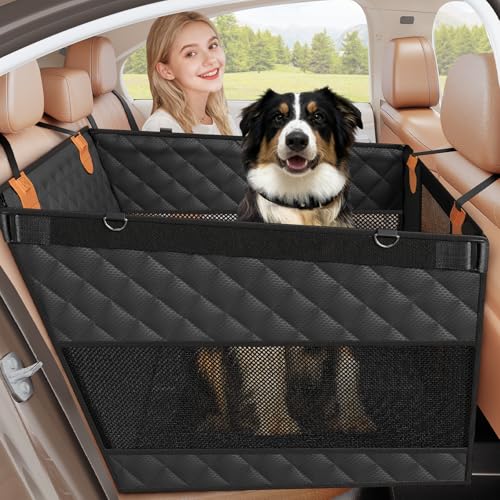
Table of Contents
Understanding Safety Requirements
First and foremost, your dog’s car seat must keep them secure in the event of sudden stops, sharp turns, or accidents. Many owners underestimate just how much a loose dog can become a projectile, risking serious injury to both the dog and passengers. Choosing a seat that adheres to crash safety standards or has been crash-tested (or at least designed with safety in mind) is crucial. Look for products with secure harness attachments and sturdy construction—avoid flimsy fabrics or poorly stitched straps that can fail when you need them most.
Types of Dog Car Seats
Dog car seats come in various styles, but not all are equal in safety or practicality. Common types include booster seats, hammock-style seats, and bucket seats. Booster seats lift your dog so their head is above the window for better visibility and airflow, ideal for dogs who love watching out. Hammock styles help secure the entire seat area, preventing your dog from falling into the footwell during abrupt stops. Bucket seats wrap around your dog, providing cozy containment and a sense of security.
Ignore overly decorative or “cute” seats that lack proper restraint options—real safety gear prioritizes function over form. Also, consider whether your car's interior allows for secure installation—some seats require specific vehicle anchors or seatbelt configurations. Always test fit with your dog before heading out, and avoid seats that interfere with airbags or seat controls.
Size and Fit
The most common mistake owners make is choosing a seat based on their dog’s current size rather than their potential size and activity level. Measure your dog precisely—neck, girth, and height—and compare these to the seat’s specifications. For growing puppies or dogs with high energy or prey drive, a slightly larger seat that allows movement and has a secure harness attachment is preferable.
A seat that’s too small can restrict movement, causing discomfort and stress, which may trigger reactive behaviors. Conversely, a seat that’s too large might be unstable or make your dog feel unsafe. Remember, the goal is a snug, secure fit that limits excessive movement but doesn’t constrict the dog’s breathing or comfort.
Additional Features to Consider
Look for practical extras that support your dog’s safety and your convenience. A tether or harness attachment point is essential—this keeps your dog securely restrained and can be used during training or desensitization to car rides. Ventilation holes, washable covers, and non-slip bases improve comfort and ease of maintenance.
If you travel frequently or with multiple dogs, modular seats or those that fold flat for easy storage can be a big plus. Some seats incorporate storage pockets or safety reflectors for darker trips. Don’t fall for flashy accessories that promise “instant calm”—instead, focus on features that support safe, positive travel experiences and align with your dog’s temperament.
Training Tips & How to Use Your Car Seat Effectively
Introducing your dog to their new car seat gradually is key. Use positive reinforcement—praise, treats, or favorite toys—during initial sessions. Keep initial trips short and at calm times, ensuring your dog associates the seat with positive experiences rather than stress or restraint. If you own a reactive or prey-driven dog, desensitization can help—start at a threshold distance where they remain calm and slowly increase exposure over sessions.
Think of the car seat as part of a broader training plan: integrate it with desensitization to vehicle sounds or movements. Consistency is vital—use the same seat each time and establish a cue (“seat” or “ride”) so your dog builds a positive association. Never force your dog into a car seat—let them approach it voluntarily with plenty of praise and treats.
Selecting the Right Seat for Your Dog’s Needs
Ultimately, the best car seat for your dog fits their size, activity level, and behavioral needs. For high-prey-drive or reactive dogs, secure, enclosed seats with desensitization in mind are preferable. For small, nervous dogs, a cozy booster or bucket seat with extra padding can help them feel secure. Active or energetic dogs benefit from larger, durable seats that allow some movement without sacrificing safety.
Remember, the right gear isn’t just about appearances—it’s about supporting your dog’s comfort and safety during every trip. Pay attention to details like secure harness attachment points, crash safety features, and ease of cleaning. Invest in a seat that grows with your dog or can be adapted as needed—your peace of mind depends on it.
Frequently Asked Questions
How do I know if a dog car seat is crash-tested?
Look for products that explicitly mention crash testing or compliance with safety standards such as those from the Center for Pet Safety. If not available, prioritize seats with robust harness attachments and sturdy construction.
Can I use a regular booster seat for my dog?
Most booster seats designed for children are not suitable for dogs—they lack the necessary harness attachment points and safety features. Always choose gear specifically made for canine safety.
What if my dog doesn’t like the car seat at first?
Gradual desensitization paired with positive reinforcement works best. Start by introducing the seat at home, then do short trips with treats and praise, gradually increasing duration. Never force your dog into the seat.
Is durability more important than comfort?
Both are crucial. A durable seat ensures safety in unexpected situations, while comfort helps your dog relax and reduce anxiety. Find a seat that balances both—non-slip base, breathable materials, and sturdy construction.
How do I clean and maintain the car seat?
Choose a seat with removable, washable covers. Regular cleaning prevents odor buildup and maintains a hygienic environment, especially if your dog tends to be reactive or prone to accidents.
Should I use a harness attachment or a seatbelt clip?
Use a harness attachment point on the seat—this ensures your dog is restrained and minimizes movement that could cause distraction or injury. Seatbelt clips designed for dogs are a safe and effective choice.
Investing in the right dog car seat isn’t just about safety—it's about supporting your dog's comfort and your peace of mind. Take the time to assess your dog’s needs, do your research, and choose a seat that aligns with your travel habits and their temperament. A well-chosen seat makes all the difference in turning car rides into positive, stress-free outings.


