

How To Choose The Right Dog Food Bowls
⚡ Quick Answer
Finding the perfect food bowl for your dog might seem straightforward, but the reality is more nuanced. The wrong choice can lead to frustration, difficulties with feeding, or even behavioral issues like begging or scavenging. As a professional dog trainer who’s helped countless owners optimize feeding routines, I can tell you that the right bowl can support good habits, prevent picky eating, and accommodate your dog’s unique needs—whether they’re a puppy, a senior, or a dog with special requirements.
Table of Contents
- Our Top Picks in Detail
- Understanding Your Dog’s Needs
- Material Matters: What’s Best for Your Dog?
- Size and Capacity: How Much Should They Eat?
- Design and Features That Promote Good Habits
- Addressing Special Needs and Behavioral Issues
- Practical Tips for Transition and Maintenance
- Frequently Asked Questions
In this guide, I’ll walk you through practical considerations—from size and material to shape and features—so you can make an informed decision that genuinely benefits your dog’s health and your peace of mind. Let’s ensure feeding time is a positive, stress-free part of your daily routine.
Our Top Picks in Detail
Affiliate disclosure: if you buy through these links, we may earn a commission at no extra cost to you.

BOLDBONE 48 inch Heavy Duty Indestructible and Escape-Proof Dog Crate Cage Kennel for Large Dogs, High Anxiety Dog Crate with Removable Wire Trays and Wheels, Extra Large XL XXL, Black
$129.99Check Price →This is the pick to look at first if you want a reliable, well-rounded option that handles everyday use without unnecessary compromises. BOLDBONE 48 inch Heavy Duty Indestructible and Escape-Proof Dog Crate Cage Kennel for Large Dogs, High Anxiety Dog Crate with Removable Wire Trays and Wheels, Extra Large XL XXL, Black delivers solid performance across the features that matter most in this category.
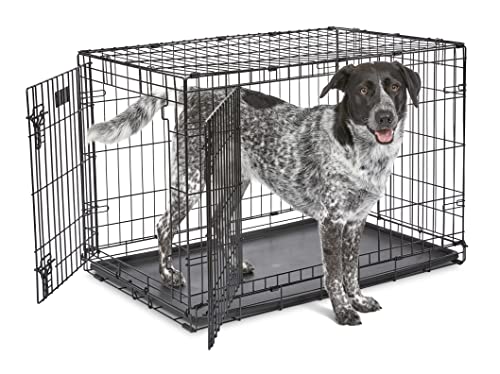
MidWest Homes for Pets 36-Inch iCrate for Medium-Large Breeds, 41-70 lbs, Double Door Folding Dog Crate with Divider Panel, Leak-Proof Tray & Secure Latches, Portable, Durable & Easy to Assemble
$61.93Check Price →If the top pick doesn't quite fit your situation, MidWest Homes for Pets 36-Inch iCrate for Medium-Large Breeds, 41-70 lbs, Double Door Folding Dog Crate with Divider Panel, Leak-Proof Tray & Secure Latches, Portable, Durable & Easy to Assemble is worth a close look as a capable alternative that still covers the essentials well.

MidWest Homes for Pets 30-Inch iCrate for Medium Breeds, 21-40 lbs, Single Door Folding Dog Crate with Divider Panel, Leak-Proof Tray & Secure Latch, Portable, Durable & Easy to Assemble
$49.99Check Price →For buyers who want the most for their money without sacrificing the features that actually matter, MidWest Homes for Pets 30-Inch iCrate for Medium Breeds, 21-40 lbs, Single Door Folding Dog Crate with Divider Panel, Leak-Proof Tray & Secure Latch, Portable, Durable & Easy to Assemble is the practical choice at this price point.
Understanding Your Dog’s Needs
Every dog is different—breed, age, health, and behavior all influence what kind of bowl works best. For example, a young puppy with short legs and a developing snout might benefit from a shallow, wide dish that prevents nose-dipping messes. Conversely, an arthritic senior with neck or joint issues may require an elevated feeder to reduce strain during meals. Importantly, if your dog struggles with gulping or has a prey drive that causes them to scatter food, a fixed or slow-feed bowl can help mitigate overeating and aid digestion.
Material Matters: What’s Best for Your Dog?
The choice of material isn’t just about appearance—it's about durability, safety, and hygiene. Stainless steel is often the gold standard: it’s durable, non-porous (easy to clean and sanitize), and resistant to rust and bacteria. It also won’t break if your dog is a chewer or prey-driven.
Plastic bowls can be lightweight and inexpensive but pose risks: they may contain BPA, crack over time, or develop scratches that harbor bacteria—especially problematic if your dog tends to chew or lick compulsively. Ceramic bowls are attractive but can break easily and may contain lead-based glazes if not certified safe.
Size and Capacity: How Much Should They Eat?
The size of your dog’s bowl should match their size and eating habits. Overly small bowls can cause spills or frustration, while oversized bowls may encourage scavenging or boredom. Check the label or measure your dog’s typical portion and select a bowl that can comfortably hold a little more than that, giving some leeway for treats or supplemental feeding.
Note that some breeds or individual dogs may need specific features like slow feeders for large portions to prevent gulping, or gravity feeders for free feeding. Always tailor the capacity to your dog’s routine and health needs.
Design and Features That Promote Good Habits
Beyond material and size, consider design features that support your dog’s eating behavior. Elevated bowls reduce strain on neck and joints, making them ideal for large or arthritic dogs. Shallow, wide bowls are better for dogs with prominent noses or brachycephalic breeds—they prevent nose-dipping and reduce mess.
Another important feature is non-slip bases—it keeps bowls in place during vigorous eating or reactivity. For dogs with prey drive or tendency to turn their bowls into chew toys, sturdy, non-closing designs are essential.
Addressing Special Needs and Behavioral Issues
If your dog has health concerns such as dental problems, a soft rubber or silicone bowl may be more comfortable. For dogs with pica or a tendency to chew, consider textured or reinforced bowls that resist damage. For those prone to gulping or extreme excitement at mealtime, a slow-feed bowl makes a big difference—not just for preventing choking but also for encouraging positive, controlled eating behavior.
For dogs with anxiety or reactivity, choose a simple, non-stimulating design—avoid noisy or flashing bowls that may trigger excitement. And if your dog is a resource guarder, using separate, discreet bowls can reduce tension during feeding.
Practical Tips for Transition and Maintenance
Changing your dog’s bowl suddenly can cause resistance or even gastrointestinal upset if they’re used to a certain type. Transition gradually—mix new bowls with old ones over several meals. Always wash bowls after every use with hot water and pet-safe soap. Avoid abrasive scrubbers that can scratch stainless steel, and inspect regularly for cracks or damage, replacing when necessary.
Well-chosen, properly maintained bowls support a positive feeding routine that complements your training and behavior goals. Remember, simplicity and safety are key—elaborate, cute designs often sacrifice durability and function.
Frequently Asked Questions
Are slow feeders better for dog digestion?
Yes. Slow feeders help prevent gulping, reduce the risk of bloat in susceptible breeds, and promote healthier digestion. They also turn mealtime into mental enrichment, which can be useful for reactive or prey-drive dogs.
Can I use a ceramic bowl for my dog?
Ceramic bowls are fine if they’re high-quality and certified lead-free. However, they can break easily, and some dogs may chew or claw at them, risking injury. Weigh the durability needs against your dog’s temperament.
What size should my dog’s food bowl be?
Choose a bowl that comfortably holds your dog’s typical meal with some extra room—roughly 25% more capacity. For large breeds or dogs with special needs, larger and wider bowls are preferable to prevent spillage and promote good posture.
Why are elevated bowls recommended?
Elevated bowls reduce strain on neck and joints, especially for large or arthritic dogs. They can also help dogs with certain medical conditions like esophageal reflux. However, they’re not ideal for all dogs—observe your dog’s comfort and adjust accordingly.
How often should I clean my dog’s food bowls?
Clean your dog’s bowls after every meal with hot water and pet-safe soap. Regular deep cleaning prevents bacteria build-up and keeps your dog healthier.
Choosing the right dog food bowl isn’t just about aesthetics; it’s about supporting your dog’s health, comfort, and behavior. Take the time to assess your dog’s specific needs, test different types, and prioritize safety and durability above all.
Next step: evaluate your dog’s habits and preferences, then select a bowl that aligns with their needs. Remember, the right gear is the foundation of successful training and a happy, well-balanced dog.


