

How to Choose the Right Leashes in 2026
Choosing the right leash involves matching features to your specific activity and your dog’s needs. Consider options like hands-free designs for running, adjustable lengths for versatility, or lockable mechanisms for secure control. Reflective materials enhance visibility in low light, while padded handles offer comfort during extended walks. Selecting a leash with appropriate strength and durability ensures a dependable connection for various adventures, from casual strolls to hiking.
Quick Answer
Selecting the right leash involves matching features to your specific activity and your dog’s needs. Consider options like hands-free designs for running, reflective materials for low-light visibility, or lockable mechanisms for secure attachment. Adjustable lengths and padded handles offer comfort and control during walks or hikes. Choose a leash constructed with durable hardware that suits your dog’s size and your preferred handling style for a dependable connection.
Table of Contents
Our Top Picks
Affiliate disclosure: if you buy through these links, we may earn a commission at no extra cost to you.
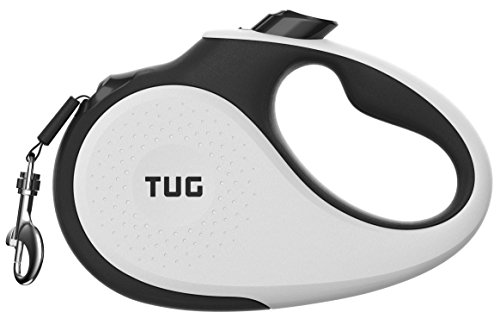


Understanding Leash Reactivity and Behavior
Leash reactivity describes a behavior where dogs lunge and bark at other dogs while restrained. This issue stems from various underlying causes. Some dogs develop this reaction due to fear or dislike of other dogs, often resulting from negative past experiences or insufficient socialization during their puppyhood. For these animals, the aggressive display functions as a barrier to keep approaching dogs at a distance. Conversely, other leash-reactive dogs actually enjoy canine interaction but become intensely frustrated when their movement is restricted by a leash. Understanding the mechanics of this behavior involves comparing off-leash and on-leash interactions. Unrestrained, socially skilled dogs typically approach each other in a curved path, allowing for gradual contact and friendly body language like wagging tails. In contrast, leashed dogs are forced into direct, head-on approaches. This trajectory encourages direct eye contact, which dogs often interpret as a threatening gesture. Additionally, tight leashes create a strangling sensation on the neck, increasing physical tension. When handlers become apprehensive and jerk the leash, it can reinforce the dog’s perception that a dangerous situation is occurring, potentially leading to an explosive reaction when the dogs finally meet.
Selecting Appropriate Walking Equipment
Selecting appropriate walking equipment begins with evaluating the dog’s specific physical needs and behavioral tendencies. For dogs that do not pull excessively and have no medical conditions preventing collar use, a martingale collar serves as a suitable option. This type of collar provides gentle control without the potential risks associated with tighter restraint methods. If a dog exhibits behaviors that require additional support or if the collar alone proves insufficient, an appropriately fitting harness can be added to the setup. The choice between these items depends entirely on the individual dog’s behavior and comfort level. When introducing any new equipment, it is helpful to associate the process with positive experiences. Using treats to distract a wiggly or energetic dog during the fitting process can make the experience less stressful. Handlers should keep treats accessible, ideally in a pouch or fanny pack, to allow for quick distribution from the free hand while maintaining control of the leash. Proper timing is essential when rewarding behavior, as the treat may need to be given within seconds of the desired action to be effective. Ultimately, the goal is to select equipment that allows the handler to maintain a proper u-shape with the leash, ensuring both safety and effective communication during walks.
Exploring Leash Types and Features
When exploring leash types and features, it is important to consider the specific hardware and design elements that suit your walking or hiking needs. Leashes are available in a wide variety of distinctive colors, ranging from neutral tones like obsidian black and granite gray to vibrant options such as sunny lime blue and canyon fireweed. These color choices allow for personalization while maintaining visibility in different environments. Key features to evaluate include hands-free designs, which can offer convenience during active pursuits, and reflective materials that enhance safety during low-light conditions. Padded handles provide comfort for the handler during extended use, while lockable mechanisms may offer additional control in specific situations. Adjustable length options allow for customization based on the dog’s size and the walking environment, and long line variations can be useful for training or open-space activities. Selecting a leash involves matching these features to your specific activities, whether running, working, or general walking. The connection point and hardware quality contribute to the overall dependability of the leash. Consider how features like padding or hands-free capabilities align with your comfort and your dog’s behavior. Ultimately, the right leash combines durability with functional attributes that support a secure and comfortable connection between you and your dog.
Practical Leash Handling Techniques
Effective leash handling involves managing transitions and maintaining focus to ensure safety and comfort for the dog. When moving through thresholds like doors, it is helpful to drop treats near the dog or offer a treat to redirect attention toward the handler. This approach allows the handler to assess the outdoor environment before stepping out. If a dog jumps up, the handler should wait until all four paws are on the ground before opening the door. During walks, reinforcing a consistent walking side through treats can help the dog maintain position. The specific side chosen may depend on safety standards in the immediate environment. Handlers should remain focused on the dog and surroundings rather than distractions like mobile devices. If uncertainty arises regarding how a dog might react to approaching stimuli, such as other dogs or children, the handler can make a U-turn to increase distance or lure the dog away with treats. Walking should occur at the dog’s pace, allowing opportunities to stop and sniff without applying leash pressure. Leash techniques should be adjusted based on the dog’s behavior, which can vary depending on the environment. Being flexible and prepared helps in handling the leash effectively and kindly, addressing skills such as reducing tugging and navigating intersections.
Managing Leash-Reactive Situations
Managing leash-reactive situations often begins with proactive avoidance to prevent the rehearsal of unwanted behaviors. In areas where encounters with other dogs are infrequent, such as suburban or rural settings, simply avoiding triggering situations is a reasonable coping strategy. Walks can be scheduled during off-peak hours to minimize contact, or owners may drive to quieter locations for exercise. When encountering another dog, specific maneuvers can help create distance. For smaller dogs that tolerate handling, lifting the animal and covering their face with a light jacket or towel can block visual stimuli. Larger dogs can be guided between parked cars, across roads, or via U-turns to escape approaching animals. Products designed to obscure vision, such as specialized caps or sunglasses, may significantly reduce reactive responses by making it harder for the dog to see other dogs clearly. These items can also be utilized during car rides, either worn by the dog or used in conjunction with a covered crate, to prevent reactions to outside stimuli. Additionally, using a head halter provides a practical method for managing the dog’s movement and focus during walks. These strategies offer various ways to handle immediate situations without guaranteeing a specific outcome, allowing owners to choose methods that fit their dog’s size and temperament.
Frequently Asked Questions
How does understanding dog body language help when choosing a leash for social interactions?
Understanding dog body language reveals that direct eye contact and tight leashes create threatening head-on approaches. Recognizing these stress signals helps select equipment that reduces tension and prevents forced confrontations, allowing for safer, more controlled social interactions during walks.
What equipment options are suggested for dogs that do not pull hard?
For dogs that do not pull hard, a martingale collar is suggested as a proper walking equipment option, provided there are no medical contradictions preventing collar use. Appropriately fitting harnesses may also be added if needed, depending on the specific behavior of the dog.
Which leash features are available for hands-free walking options?
Hands-free walking options include leashes with dedicated hands-free features like waist belts or hip attachments. Available options range from standard hands-free leashes to those combining hands-free capability with additional features such as reflective materials, adjustable lengths, or locking mechanisms for secure attachment.
How can treating help when crossing thresholds to the outdoors?
When crossing thresholds to the outdoors, dropping treats in front of the dog or giving a treat helps focus the dog on the handler. This distraction allows the handler to assess surroundings before stepping outside. Treating encourages the dog to remain calm rather than rushing forward excitedly when the door opens.
What strategies are recommended for avoiding situations that upset a leash-reactive dog?
To avoid upsetting a leash-reactive dog, walk at off-peak hours or drive to quieter locations. You can lift small dogs or use coverings to obscure their vision of other dogs. For larger dogs, move between parked cars, cross roads, or make U-turns to increase distance when another dog approaches.
To choose the right leash, identify your primary activity, such as running or hiking, and select features like hands-free capability, reflective materials, or adjustable lengths that match your needs. Consider whether you require a lockable mechanism for security or a padded handle for comfort. This approach ensures the leash supports your specific walking or training conditions.


