

How To Choose The Right Soft Sided Dog Travel Crates 2026
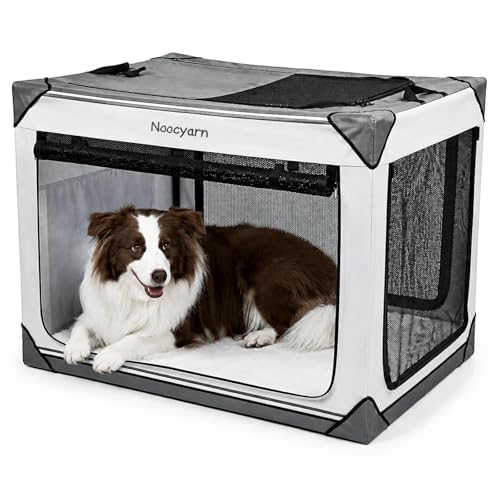
As a certified professional dog trainer, I have watched more dogs panic in "crash-tested" hard plastic kennels than I care to count. The truth is, for many dogs, rigid walls create a visual barrier that triggers claustrophobia and reactivity, whereas soft-sided travel crates offer a breathable, den-like environment that can actually lower arousal levels. Choosing the right soft crate isn't just about fitting your dog into a car; it is about managing their threshold for stress during travel, vet visits, and hotel stays.
Our Top Picks
Affiliate disclosure: if you buy through these links, we may earn a commission at no extra cost to you.

Table of Contents

Quick Answer
The right soft-sided dog travel crate is one that fits your dog's body length (nose to tail base) plus 2-4 inches, features dual-zipper access for positive reinforcement training, and is constructed with reinforced stitching capable of withstanding a dog that pushes against the walls. Prioritize crates with mesh ventilation panels over solid fabric to prevent overheating and allow your dog to see their surroundings, which is critical for dogs with separation anxiety or high prey drive.
Why Soft-Sided Crates Work for Reactive Dogs
Hard-sided crates are excellent for air travel and dogs with zero anxiety, but they are often counterproductive for dogs that are visually reactive. When a dog sees a stranger or another dog through the clear plastic of a hard crate, they feel trapped. This "barrier frustration" can escalate their arousal past their threshold, making the crate a place of high stress rather than a safe haven. Soft-sided crates, by contrast, diffuse visual stimuli. The fabric walls muffle the outside world, helping to keep your dog's heart rate down.
Furthermore, soft crates are lighter and more portable, which is essential for owners who use a dog GPS tracker to monitor activity levels. If your dog is constantly pacing or whining in a hard crate, their activity data will show high stress spikes. A soft crate allows for better airflow and a cozier "den" feeling, which aligns with a dog's natural instinct to seek enclosed, dark spaces when overstimulated.
Measuring for the Perfect Fit
One of the most common mistakes I see owners make is buying a crate based on the dog's current weight rather than their body dimensions. A soft-sided crate must be large enough for your dog to stand up, turn around, and lie down comfortably. However, it cannot be so large that they can use one end as a bathroom and the other as a bed. Dogs are naturally clean animals; if they have enough space to soil one area, they will.
To measure correctly, measure your dog from the tip of their nose to the base of their tail (not the full tail length, as this can skew the measurement). Add 2 to 4 inches to this number for the crate's internal length. For height, measure from the floor to the withers (the highest point of the shoulder blades) and add 2 inches. If your dog has a high prey drive and tends to jump, ensure the crate height allows them to stand without their ears or head brushing the top, which can cause startle responses.
Structural Integrity and Safety Features
Not all soft-sided crates are created equal. Many look cute but fail in real use because the zippers are the weak point. I recommend looking for crates with dual-track, self-repairing zippers that run along the top and front. Single-track zippers can jam or pop open under pressure from a dog who leans against the walls. Additionally, check the stitching. Double-stitched seams with bar-tacking at stress points (like the handles and base) are non-negotiable for dogs over 20 pounds.
Mesh panels are another critical feature. While solid fabric offers more privacy, 360-degree mesh ensures adequate ventilation. This is especially important if you are using the crate in a car seat or a hotel room with limited airflow. Poor ventilation can lead to overheating, which mimics the symptoms of panic in dogs, creating a dangerous feedback loop. Also, ensure the base is padded or has a non-slip bottom. A sliding crate is a scary crate, and that will undermine any positive reinforcement training you've done.
Integrating Crate Training with Desensitization
Buying the crate is only step one. The real work is desensitization. I cannot stress this enough: a soft crate is not a punishment tool. If you use it to isolate a dog who is already anxious, you are reinforcing their fear. Instead, use positive reinforcement to build a positive association. Start by leaving the crate open with a high-value treat or a frozen Kong inside. Let your dog explore it on their own terms.
Once they are comfortable entering, practice closing the door for short durations while you are present. Gradually increase the time and distance. If you are traveling, bring their regular dog bed or a piece of your clothing into the crate. The familiar scent of their owner or their home bed can lower cortisol levels. This is particularly effective for dogs who struggle with car sickness or hotel anxiety. The crate becomes a portable safe space, not just a container.
Soft Crates vs. Car Seats and GPS Trackers
For many owners, the soft crate serves as the primary restraint system in the vehicle, replacing the need for a separate dog car seat. However, it is crucial to understand that soft crates are not crash-tested to the same standards as hard-sided kennels. If you are a safety-conscious owner who also uses a dog GPS tracker to monitor your dog's location and activity, you need to secure the crate properly. Use the vehicle's seatbelt to buckle the crate's built-in loops to the car's anchor points.
Do not rely on the crate itself to hold your dog in during a sudden stop. Soft crates are designed for comfort and containment, not impact resistance. For dogs who are particularly anxious, a GPS tracker can provide peace of mind, allowing you to monitor their stress levels via activity data. If the tracker shows erratic movement, it may indicate the crate is not secured well, or the dog is panicking inside it. In such cases, consider using a harness that clips directly into the car seat for added security, keeping the crate as a cozy den for when the car is parked.
Frequently Asked Questions
Can I use a soft-sided crate in the backseat of my car?
Yes, but you must secure it with seatbelts through the crate's attachment points. Soft crates are not crash-tested, so they offer comfort and containment but not impact protection like hard-sided crates.
How do I clean a soft-sided crate?
Most soft crates have a removable, machine-washable pad. The crate itself can usually be wiped down with a pet-safe disinfectant. Avoid submerging the entire crate in water unless the manufacturer explicitly states it is washable, as this can damage the zippers and mesh.
Is a soft crate safe for a dog with separation anxiety?
It can be, if used correctly. The den-like environment can be soothing, but never use it as punishment. Combine it with desensitization training and positive reinforcement. If your dog shows extreme distress, consult a professional trainer.
What size crate do I need for my 30-pound dog?
Measure your dog from nose to tail base and add 2-4 inches. For a 30-pound dog, this is typically a medium or large crate, depending on their leg length and height. Always prioritize length and height over weight limits.
Can I use a soft crate for air travel?
Most airlines require hard-sided, FAA-approved crates for cargo hold travel. Soft crates are generally accepted in the cabin under the seat, but check with your specific airline for their size and material restrictions.
How do I prevent my dog from chewing the zippers?
Use a bitter apple spray on the zippers. More importantly, address the underlying boredom or anxiety with more exercise, puzzle toys, and grooming tools to keep their mind engaged. Never punish the chewing, as it can increase anxiety.
Choosing the right soft-sided dog travel crate is an investment in your dog's mental well-being and your own peace of mind. By prioritizing fit, structural integrity, and proper training integration, you transform the crate from a restrictive cage into a safe, portable den. Start with the measurements, inspect the zippers, and commit to the desensitization process. Your dog will thank you with calmer travels and a stronger bond with you.


