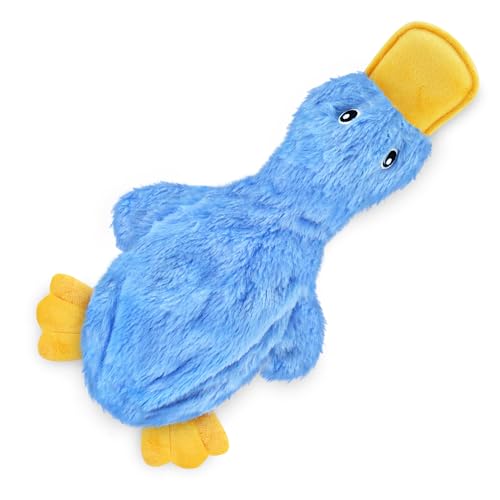
Dog Beds vs Dog Toys: Which Should You Buy in 2026
If your dog is always “on,” the fix is not more guilt and not a bigger cage. It is better gear that fits the behavior you are trying to build. Dog beds and dog toys solve different problems: a bed gives your dog a place to reset, while toys give your dog a job to do. That distinction matters for reactive dogs, high-prey-drive dogs, puppies in training, and senior dogs who need recovery without boredom.
This comparison is for owners who want practical gear, not cute gear that collapses after one walk. If you are deciding what to buy first, read this before you add anything to your cart. The short answer is that most dogs need both, but the first purchase should be based on your dog’s current behavior, chewing intensity, and where the problem actually shows up.
Affiliate disclosure: if you buy through these links, we may earn a commission at no extra cost to you.


Table of Contents
- Models in this comparison
- Quick Verdict
- About Dog Beds
- About Dog Toys
- Head-to-Head: Rest vs. Stimulation
- Head-to-Head: Durability and Replacement
- Head-to-Head: Training Utility
- Head-to-Head: Fit for Your Dog’s Temperament
- Who Should Choose Dog Beds?
- Who Should Choose Dog Toys?
- Our Verdict
- Frequently Asked Questions
- Sources & References
- Relevant Products for This Topic
Models in this comparison
Affiliate disclosure: if you buy through these links, we may earn a commission at no extra cost to you.
Quick Verdict
Choose Dog Beds if...
- Your dog needs a consistent rest space that is separate from play, food, and high-traffic areas.
- You are working on place training, crate comfort, or teaching your dog to settle before release.
- Your dog is senior, recovering, or shows signs that rest is not as reliable as it should be.
Choose Dog Toys if...
- Your dog is bored, mouthy, or redirects chewing onto furniture, shoes, or baseboards.
- You want enrichment that supports problem-solving, dental health, and healthy chewing behavior.
- Your dog has a strong prey drive or needs a structured outlet for energy before training or rest.
| Factor | Dog Beds | Dog Toys |
|---|---|---|
| Relative Cost (source-bound only) | Not equivalent scopes: a bed is a rest surface, while toys are a rotating enrichment category. Dog Product Guides: Toys, Food, Beds & Harnesses (2026 Guide) lists Chewy promotions, but no source-bound price advantage is established between beds and toys. | Not equivalent scopes: a single toy is not the same as a full toy rotation. Dog Product Guides: Toys, Food, Beds & Harnesses (2026 Guide) lists Chewy promotions, but no source-bound price advantage is established between beds and toys. |
| Best For | Settling, recovery, place training, and giving overstimulated dogs a predictable off-switch. | Mental stimulation, chewing outlets, problem-solving, and reducing boredom-driven destruction. |
| Setup Difficulty | Low: choose a size and location, then teach your dog to use it reliably. | Low to moderate: easy to start, but success depends on choosing the right chew intensity and rotating toys. |
| Reliability | High when the bed matches your dog’s size, sleeping style, and need for support. | Variable: durability depends heavily on chewing style, material, and whether the toy is appropriate for the dog. |
| Key Advantage | Creates a reliable rest space that supports calm behavior and better recovery. | Channels energy into healthy behavior and keeps a dog’s mind engaged. |
| Main Drawback | A bed alone does not fix boredom, prey drive, or insufficient mental work. | Toy alone does not replace proper rest, and the wrong toy can fail fast or encourage unsafe chewing. |
About Dog Beds
A dog bed is not just a soft rectangle on the floor. It is a behavior tool. In training, the bed becomes a place where your dog learns to settle, wait, and reset. That matters when a dog is overstimulated, at threshold, or struggling to relax after a walk, a training session, or a high-energy play period. A good bed gives your dog a defined “off” location instead of forcing them to lie down in the middle of the house, on a rug, or wherever they happen to be standing.
For many dogs, the right bed also supports recovery. Dogs are naturally active animals, and consistent rest is part of staying healthy. If you are comparing options, look at the style first: everyday beds, orthopedic options, bolster beds, and tougher indestructible-style picks can all serve different needs. Dog Bed Buying Guide 2026: How to Choose the Right Bed focuses on bolster and orthopedic beds, which is useful because those styles often show up when owners need more support or a more defined resting surface. The best bed is not the one that looks best in a photo; it is the one your dog will actually use when they need to down and stay down.
One common mistake is treating the bed as a punishment spot. If your dog is sent to the bed because they did something wrong, the bed becomes associated with being sent away, not with safety. Instead, use positive reinforcement to teach your dog that the bed is a good place. Reward lying down, reward staying, and make the bed a high-value spot for calm behavior. When the bed is reliable, it becomes easier to manage reactivity, overexcitement, and the “I cannot relax” look that so many owners mistake for stubbornness.
About Dog Toys
Dog toys are the other half of the equation. Without appropriate toys, many dogs can develop destructive behaviors such as chewing furniture, digging holes, or excessive barking. That does not mean every toy will work. A squeaky ball that looks fun in the store can be useless for a dog with a strong chewing style, and a plush toy that seems gentle can become a mess in minutes. The point is not to buy “a toy.” The point is to buy the right kind of toy for your dog’s chewing intensity and mental needs.
Chew toys are the foundation of a good toy collection. They can be made from rubber, nylon, or natural materials, and the right match depends on your dog. Heavy-duty rubber toys are better suited for power chewers, while softer options may be enough for gentle dogs. Choosing for your dog’s chewing style first and aesthetics second is one of the simplest ways to reduce buyer’s regret. If your dog destroys soft toys, a cuter design will not save it. If your dog is a gentle chewer, an overly hard toy may be unnecessary and potentially frustrating.
Interactive toys add another layer. They can build problem-solving skills that keep a dog’s mind sharp into senior years, and quality toys can also support dental health by cleaning teeth during chewing sessions, strengthening jaw muscles, and reducing plaque buildup. That is why a good toy strategy is not just one favorite item. It is a rotation: chew toys for durable outlets, interactive toys for mental work, and play items for structured release. When toys are used well, they become part of your training system, not just a way to keep a dog quiet while you do something else.
Head-to-Head: Rest vs. Stimulation
A bed solves the “my dog cannot turn off” problem. A toy solves the “my dog has nowhere to put the energy” problem. These are not the same issue, even though they often look similar from the outside. A dog that will not lie down, keeps getting up, or seems wired after a walk may need a better rest space. A dog that is chewing the couch, stealing shoes, or barking at nothing may need a better outlet. If you buy the wrong category, you may think the dog is being difficult when the real problem is a mismatch between the gear and the behavior.
In practice, this means you should diagnose before you shop. If your dog’s main issue is that they do not have a reliable place to settle, the bed is the stronger first purchase. If your dog’s main issue is boredom, mouthiness, or a lack of mental work, the toy is the stronger first purchase. Many owners buy both at once, and that is fine, but the better outcome comes from understanding which behavior you are trying to change. A bed does not make a dog mentally tired. A toy does not replace proper recovery. Each one has a job.
Head-to-Head: Durability and Replacement
Dog beds generally have a longer replacement cycle than toys, but that depends on the dog. A bed can last for months or longer if it is the right size, the right firmness, and placed in a sensible location. A bed can also fail quickly if it is too small, too soft, too thin, or if the dog has a strong habit of digging, dragging, or chewing bedding. The bed’s durability is less about “cute” and more about fit, support, and whether the dog understands that it is a place to stay down.
Toys have a shorter lifespan, and that is normal. The key is matching the toy to the dog’s chewing intensity. A power chews dog may destroy a soft toy quickly, while a gentle dog may be perfectly safe with a softer option. If you keep buying the same type of toy that fails, you are not solving the problem; you are just replacing it. A better approach is to vary the material and the challenge. Chew toys, interactive toys, and play toys all serve different functions, and a well-chosen rotation will usually outlast a single “favorite” item that is being overused.
Head-to-Head: Training Utility
A bed is a training tool in a very direct way. You can teach place, settle, and mat work. You can use the bed to give your dog a clear cue for calm behavior, which is especially useful for dogs that struggle with reactivity or get overstimulated in new environments. When a dog knows the bed means “lie down and stay,” you have a reliable behavior that can help you manage the moment before it becomes a bigger problem. That is why a good bed can be one of the most useful pieces of gear in a home, even though it looks passive.
Toys are also training tools, but in a different way. They can be used for impulse control, duration, and positive reinforcement. A dog that learns to wait for a toy, trade a toy, or work for a toy is learning self-control and focus. Interactive toys can also support problem-solving, which is valuable for dogs that need mental work. The difference is that a bed teaches your dog where to be calm, while a toy teaches your dog what to do with energy and attention. Both are useful, but they are not interchangeable.
Head-to-Head: Fit for Your Dog’s Temperament
If your dog is anxious, overstimulated, or easily overwhelmed, a bed may be the more important purchase. A predictable resting space can help with desensitization and threshold work because the dog has a place to return to when the environment becomes too much. This is especially true for dogs that are reactive on walks or in the yard. If the dog has a reliable “down” behavior, you are more likely to manage the situation before it escalates. The bed becomes part of the plan, not just a piece of furniture.
If your dog is high-energy, bored, or has a strong prey drive, toys may be the more important purchase. A dog that needs to run, chase, chew, or solve a puzzle is not going to benefit much from a softer bed if the underlying issue is under-stimulation. In those cases, the toy is the tool that helps you channel energy into positive behavior rather than destructive habits. The best choice is the one that matches the temperament you are actually managing. If you are unsure, look at the behavior that is costing you the most time and control, then buy the gear that addresses that behavior first.
Who Should Choose Dog Beds?
Choose a dog bed if your dog needs a reliable place to settle, if you are working on place or crate training, or if your dog is senior and needs better recovery. A bed is also a strong choice if your dog is anxious, overstimulated, or has a hard time relaxing in a busy household. If your dog already has a good toy rotation but still cannot lie down and stay down, the missing piece is probably the bed, not another toy. A good bed can make a real difference in how quickly your dog recovers and how consistently they respond to a calm cue.
Who Should Choose Dog Toys?
Choose dog toys if your dog is bored, mouthy, or looking for something to do with their mouth and brain. Toys are the better first buy if your dog chews furniture, digs, barks excessively, or seems to be “always on” because they are under-stimulated. They are also a strong choice for puppies, high-prey-drive dogs, and senior dogs who need mental work without too much physical strain. If your dog already has a comfortable place to rest but still acts out, the missing piece is probably enrichment, not another bed.
Our Verdict
Do not treat this as a one-or-the-other decision. Most dogs need both a reliable rest space and a proper toy rotation. If you can only buy one item first, buy the one that fixes the behavior you are seeing most often. If your dog’s problem is that they cannot settle, buy the bed. If your dog’s problem is boredom, mouthiness, or lack of mental work, buy the toys. The best gear is not the most expensive gear; it is the gear that matches your dog’s chewing style, energy level, and training needs. Get that right, and the rest of the routine becomes easier.
Frequently Asked Questions
Do I need a dog bed if my dog sleeps on the couch?
If your dog is already sleeping reliably on the couch and you are not trying to teach a specific place behavior, a dedicated bed may not be urgent. But if you want better recovery, easier crate training, or a calmer routine, a dedicated bed is usually worth it. A defined resting space makes it easier to teach your dog where to settle and what to do when they need to down.
How many toys does my dog need?
There is no magic number, but one toy is rarely enough. A basic rotation should include durable chew toys, at least one interactive option, and a few play items for structured release. The goal is variety and appropriate challenge, not a large pile of identical items. If your dog destroys one type quickly, the answer is usually to change the material or difficulty, not to buy more of the same thing.
Can a toy replace a bed?
No. A toy can help a dog burn energy and engage their mind, but it does not replace a proper rest space. If your dog is overstimulated, anxious, or simply tired, they need a place to settle. A toy may make the dog calmer in the short term, but without a reliable resting spot, the dog may still struggle to recover. Think of them as separate tools with separate jobs.
What should I buy first for a new puppy?
Start with both a safe resting space and appropriate chew toys. Puppies need a place to settle, and they also need safe outlets for chewing and exploration. If you are forced to choose one first, choose the item that addresses the biggest behavior issue you are seeing. If the puppy is destroying things, prioritize the right chew toys. If the puppy cannot settle or is not learning place, prioritize the bed.
How do I know if a toy is safe for my dog?
Match the toy to your dog’s chewing intensity and supervise play, especially with new items. Heavy-duty rubber is a better fit for power chewers, while softer options may be enough for gentle dogs. If a toy breaks apart easily, stops holding up, or your dog is swallowing pieces, replace it. The safest toy is the one that is appropriate for your dog and monitored during use.
Sources & References
Relevant Products for This Topic
As an Amazon Associate we earn from qualifying purchases at no extra cost to you.