

How to Choose the Right Dog Crates
I've been a certified professional dog trainer for years and have seen owners choose crates based on looks, not function — and pay for it with disrupted housetraining, escaped puppies, or stressed dogs. A crate is a training tool first: it should fit your dog's size and temperament, survive their behavior (chewing, reactivity, prey drive), and support positive reinforcement and desensitization work. Below you'll find straightforward guidance comparing furniture-style, wire, folding, and heavy‑duty options — the real-world pros and cons of the products you're looking at so you can pick gear that helps you and your dog succeed, not just something that looks cute in the living room.
⚡ Quick Answer: Best Dog Harnesses
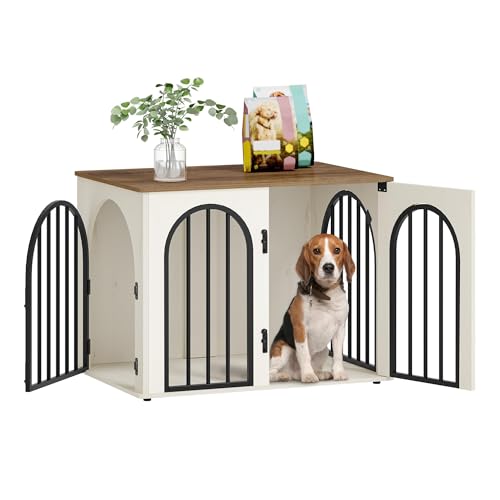
Best for Home Decor: 31.5'' Wooden Dog Crate Furniture, Indoor Dog Kennel Dogs Cage for Small/Medium Dogs, Heavy Duty Dog Crates Decorative Pet House End Side Table TV Stand, White Brown DFC85114B
$1034.43 — Check price on Amazon →
Table of Contents
- Main Points
- Our Top Picks
- MidWest Homes for Pets 36-Inch iCrate for Medium-Large Breeds, 41-70 lbs, Single Door Folding Dog Crate with Divider Panel, Leak-Proof Tray & Secure Latches, Portable, Durable & Easy to Assemble
- Amazon Basics Portable, Easy to Assemble, Foldable Metal Wire Dog Crate with Removable Tray, Double Door, Divider Panel, Handle, 36" x 23" x 25", Black
- Amazon Basics Portable Metal Wire Dog Crate with Removable Tray, Single Door with Divider Panel, Foldable, Collapsible, Easy to Assemble & Clean, 36" x 23" x 25", Black
- MidWest Homes for Pets 30-Inch iCrate for Medium Breeds, 21-40 lbs, Single Door Folding Dog Crate with Divider Panel, Leak-Proof Tray & Secure Latch, Portable, Durable & Easy to Assemble
- Collapsible Dog Crate for Medium Dogs - 28" L Heavy Duty Dog Kennel No Tools Required with 4 Sides Steel Foldable Cage for Dogs Indoor Furniture, Portable Carrier with 2 Smooth Wheels, Beige
- MidWest Homes for Pets 24-Inch iCrate for Small Breeds, 12-20 lbs, Single Door Folding Dog Crate with Divider Panel, Leak-Proof Tray & Secure Latch, Portable, Durable & Easy to Assemble
- FDW Dog Crate for Large Dogs 42 Inch Folding Metal WirePet Cage Double Door W/Divider Panel Indoor Outdoor Kennel Leak-Proof Plastic Tray,Black
- Factors to Consider
- Frequently Asked Questions
- Conclusion
Main Points
- Right size matters: choose a crate that lets your dog stand, turn and lie down comfortably — use the 24", 30", 36" and 42" options to match weight ranges (MidWest’s 24"/30"/36" and FDW 42" map to small→large dogs). Use the included divider panels with growing puppies so the crate stays appropriately sized during housetraining.
- Match material to temperament: wire crates (MidWest, AmazonBasics, FDW) give ventilation and visibility—great for most training and travel—while wooden/furniture crates (31.5" decorative models) hide the crate appearance and fit home decor but often fail with chewers, escape artists or highly reactive dogs.
- Security and doors: look for secure latches and consider double‑door models (FDW, some Amazon Basics) for flexible placement and reduced threshold issues; escape‑prone dogs and those with high prey drive need heavier‑duty hardware, not just a cute panel door.
- Housetraining and cleanup: removable, leak‑proof trays and easy folding/assembly (MidWest iCrate, Amazon Basics portable models) are non‑negotiable — trays protect floors and divider panels let you manage den size during accidents, while wheels (on some collapsible crates) are handy only if they lock solidly.
- Pick the crate that supports your training goal: if you’re teaching calmness and desensitization below threshold, a visible wire crate helps; if you need a calm den for overnight quiet, a covered or furniture crate can work—but never use the crate as punishment and always build positive associations with food, toys and short, reinforced sessions.
Our Top Picks
Affiliate disclosure: if you buy through these links, we may earn a commission at no extra cost to you.


MidWest Homes for Pets 36-Inch iCrate for Medium-Large Breeds, 41-70 lbs, Single Door Folding Dog Crate with Divider Panel, Leak-Proof Tray & Secure Latches, Portable, Durable & Easy to Assemble
What earns the MidWest Homes for Pets 36-Inch iCrate the "Best for Large Breeds" slot is simple: it’s built like it was designed to survive real-life big-dog use. The 36" frame accommodates 41–70 lb dogs comfortably, the heavy-gauge wire and powder coat stand up to leaning, jumping and the rougher play style of larger breeds, and the removable, leak-proof tray makes cleanup after accidents or post‑play muddy paws a practical chore rather than a headache. For owners tired of “cute” soft-sided options that sag or fail under pressure, this crate gives you the stability that actually helps training and daily life succeed.
Key features translate directly to real-world benefits. The included divider panel lets you start a growing puppy in an appropriately sized den and then expand the space — which speeds up successful house training when combined with positive reinforcement and threshold work. The single-door, fold-flat design makes it reasonably portable for car trips or moving between rooms, and the secure latches are a step up from flimsy clips. Because it’s open wire, you get visibility and airflow (useful for monitoring reactivity or calming a dog through desensitization), though that same visibility means you may need to add a cover for dogs who get overstimulated by sights or have a high prey drive.
Buy this if you own a medium-large or large-breed dog, are crate-training a growing puppy, or need a dependable kennel for home and travel where sturdiness matters. It’s a solid choice for dogs that do well with being able to see their environment, and for owners who run training protocols—crate introductions, desensitization to thresholds, and short confinement with reward-based breaks. If your dog is an extreme chewer, a determined escape artist, or becomes highly reactive when visually stimulated, plan for upgrades: stronger secondary latches, a chew-proof mat, or a cover to reduce visual triggers.
Honest caveats: the price is higher than many basic wire crates, and the single-door layout reduces placement flexibility in small rooms versus dual-door models. The removable plastic tray is convenient but not chew-proof, so don’t rely on this as the only barrier with a destructive dog. For most large-breed owners who want a durable, trainable crate that supports real-world needs, this is a reliable pick—just pair it with training (positive reinforcement, desensitization to the crate) and hardware upgrades if your dog tests limits.
✅ Pros
- Heavy-gauge steel holds large-dog weight
- Divider panel for growing puppies
- Removable leak-proof tray for easy cleanup
❌ Cons
- Single-door limits room placement options
- Tray and wire not chew-proof for power chewers
Amazon Basics Portable, Easy to Assemble, Foldable Metal Wire Dog Crate with Removable Tray, Double Door, Divider Panel, Handle, 36" x 23" x 25", Black
What earns this Amazon Basics metal crate the "Best for Double-Door Access" spot is exactly what its name promises: two full-size doors and a built-in divider that give you options during real training moments. I've used double-door crates hundreds of times to manage threshold issues and reactivity — the ability to open the door closest to you, hand a high-value treat through, and step back without entering the crate is a small feature that solves big problems during desensitization and threshold work.
Key features are straightforward and practical: foldable metal wire construction, removable sliding tray for cleaning, a divider panel for growing puppies, and two doors positioned for front and side access. In practice that means easier reward delivery with positive reinforcement, safer morning exits for dogs that react when you enter the room, and a crate that breaks down and stows without tools. The handle and quick-assemble design also make it a usable option for families who move the crate between rooms or take it to training.
Buy this if you need a no-frills, multifunctional crate for puppy training, threshold management, or a medium-breed companion that benefits from alternate access points. It's especially useful for owners doing stepwise desensitization — you can open the side door for quick rewards and the front door when you want longer interactions. If your dog is calm in crates and you value convenience and cleanup, this will serve you well.
Honest caveats: the wire is utilitarian, not heavy-duty — determined chewers or escape artists will test it. Some owners report door rattling if the dog is very active, and the divider latches can shift with vigorous puppies. Also, the price listed here is higher than what Amazon Basics normally sells for; verify current cost before deciding. This is a functional, trainer-friendly crate, not an indestructible solution for severe behavior problems.
✅ Pros
- Two-door design for flexible access
- Divider panel grows with puppies
- Removable tray simplifies cleaning
❌ Cons
- Wire gauge not chew-proof
- Doors can rattle with active dogs
Amazon Basics Portable Metal Wire Dog Crate with Removable Tray, Single Door with Divider Panel, Foldable, Collapsible, Easy to Assemble & Clean, 36" x 23" x 25", Black
What earns the Amazon Basics Portable Metal Wire Dog Crate the "Best Budget Wire Crate" spot is its no-nonsense combination of features you actually use: a sturdy wire frame, a removable plastic tray for quick cleanup, and a built-in divider panel so the same crate works from puppy stage to adolescent. It isn’t flashy, but for owners who want function over décor—and a product that survives the real chaos of housetraining and travel—it delivers more than its price suggests. With a 4.7-star rating and simple, collapsible design, this crate gives predictable performance when other "cute" options fail under stress.
Key features translate into real-world benefits: the divider panel speeds up housetraining and prevents dogs from soiling their entire den, the removable tray saves you time after accidents or muddy hikes, and the fold-flat design makes it easy to move or stash between uses. The wire construction gives visibility so you can monitor body language and threshold behavior during desensitization and crate training, and the single-door sliding bolt is straightforward for quick securement. Assembly is tool-free and fast—practical when you’re balancing training sessions, work, and walks.
This crate is best for puppy families, apartment dwellers, and owners who need a reliable indoor crate that’s easy to clean and stow. If you’re working on positive reinforcement-based crate training or systematic desensitization to separation, the divider lets you size the den appropriately as your pup’s threshold for alone time grows. It’s also a sensible choice for travel or short-term setups—carried with care, it’s a durable, economical workhorse for everyday training and containment.
Honest caveats: this is not a heavy-duty escape-proof or chew-proof solution—power chewers and highly reactive dogs who throw their weight at the crate will need reinforced metal or welded seams. The wire design provides less privacy than a covered or plastic crate, so dogs that need a den-like, low-visual-stimulation environment may become more aroused rather than soothed. Finally, the single-door layout limits placement flexibility compared with dual-door models.
✅ Pros
- Divider panel extends crate lifespan
- Removable tray cleans up accidents fast
- Folds flat for easy storage
❌ Cons
- Not chew-proof for determined chewers
- Single door limits placement options
MidWest Homes for Pets 30-Inch iCrate for Medium Breeds, 21-40 lbs, Single Door Folding Dog Crate with Divider Panel, Leak-Proof Tray & Secure Latch, Portable, Durable & Easy to Assemble
Why “Best for Growing Puppies”? Simple: the MidWest iCrate’s divider panel and adjustable interior actually solve the problem most new owners miss — too much crate space too soon. As a certified professional dog trainer who’s rehoused hundreds of squirming pups, I prize a crate that lets you create a proper den-sized space that encourages bladder control and calm resting. This 30-inch model gives you that progressive sizing, plus a robust latch and leak-proof tray that make early housetraining and supervised confinement far less frustrating for both puppy and owner.
Key features translate directly to real-world benefits. The removable divider lets you shrink the usable area to the puppy’s current size (reducing accidents and reinforcing crate boundaries), the plastic pan pulls out for quick cleanups, and the welded metal frame folds flat for transport or storage. The single-door layout is straightforward to place in a room without awkward door alignment, and the latch resists casual nudges from curious mouths. Pair the crate with positive reinforcement, short desensitization sessions below the dog’s threshold, and a predictable routine and you’ll see faster, less stressful crate acceptance.
Who should buy this and when: purchase it if you have a medium-breed puppy (21–40 lbs) starting crate training, if you want one crate that grows with your dog, or if you need a durable option for travel between homes or to the breeder. It’s also a solid choice for multi-puppy households where a single, adaptable crate reduces replacement costs. Don’t buy it as a substitute for training: it’s a management tool, not a behavioral cure — you still need to work on separation issues, reactivity, or strong prey drive through training protocols.
Honest caveats: it’s practical over pretty — the wire look won’t win interior design awards, and determined chewers can damage the plastic divider or tray. The single-door design limits placement compared with dual-door crates, and while the latch is secure for most pups, escape artists sometimes require a secondary clamp or reinforced latch. Also note this isn’t a crash-tested travel crate; for car safety use a vehicle-rated option.
✅ Pros
- Adjustable divider grows with your puppy
- Leak-proof removable tray for easy cleaning
- Welded metal frame folds for portability
❌ Cons
- Single-door layout limits placement options
- Not chew-proof for determined chewers
Collapsible Dog Crate for Medium Dogs - 28" L Heavy Duty Dog Kennel No Tools Required with 4 Sides Steel Foldable Cage for Dogs Indoor Furniture, Portable Carrier with 2 Smooth Wheels, Beige
What earns this collapsible 28" crate the "Best for Wheeled Portability" slot is obvious: built-in smooth wheels and a tool‑free fold make it the easiest heavy‑duty kennel I've pushed from room to car. As a certified dog trainer who’s moved dozens of anxious and reactive dogs between rooms for training, I value a crate you can reposition without lifting the dog or disturbing their threshold. The wheels let you wheel a calm “safe zone” closer for desensitization work, then roll it away as you raise the threshold during counter‑conditioning.
On paper it's a simple recipe — heavy‑gauge steel, four‑sided ventilation, no tools required, and two smooth wheels — but in practice that combination delivers real benefits. The metal frame stands up to medium dogs that lean or paw, the open sides give sightlines that reduce some reactivity, and the furniture‑tone beige helps the crate blend into a home without looking like a field cage. For trainers and owners who use positive reinforcement to shape crate comfort, being able to move the kennel in and out of training zones without disturbing the dog is a serious timesaver.
Buy this if you regularly relocate your dog's den — multi‑story homes, travel to vets or trainers, rescue transports, or if you run in‑home sessions where you need mobility. It's also great for dogs who tolerate being crated and benefit from staged desensitization to triggers: you can wheel the crate toward a stimulus until you hit the dog’s threshold, reward, and then back away. Don’t buy this as your only solution for high‑drive escape artists or dogs that bolt; wheels are a convenience, not a substitute for strong latches or management strategies.
Honest caveats: the wheels are excellent on hard floors but can roll on slight inclines and catch on heavy carpet, so test placement and add a wheel block if needed. The front latch is sturdy for most dogs but may challenge advanced escape artists who’ve practiced door manipulation — upgrade lock hardware if your dog is a known escaper. Also be mindful this is not airline‑approved; it’s optimized for portable home use and training work, not air travel.
✅ Pros
- Integrated wheels for effortless room-to-room mobility
- Tool-free folding in seconds
- Heavy-gauge steel frame resists bending
❌ Cons
- Wheels can roll on sloped or uneven floors
- Front latch may challenge advanced escape artists
MidWest Homes for Pets 24-Inch iCrate for Small Breeds, 12-20 lbs, Single Door Folding Dog Crate with Divider Panel, Leak-Proof Tray & Secure Latch, Portable, Durable & Easy to Assemble
What earns the MidWest 24-Inch iCrate the "Best for Small Breeds" slot is simple: it fits the body size and behavioral needs of 12–20 lb dogs without treating them like scaled-down Great Danes. The 24" footprint with a removable divider lets you create a true den-sized space for puppies or small adults, which speeds housetraining and reduces the tendency to eliminate in the crate. As a trainer who’s seen too many owners buy oversized, “cute” soft crates that fail at the first accident or escape, I appreciate that this is built for function — secure latch, leak-proof tray, and a fold-flat design that actually survives real life.
Key features translate directly to training wins. The divider panel lets you shrink the den to a dog’s current threshold so they don’t avoid the crate or soil in it; the tray pulls out for quick cleaning after accidents, which keeps your positive-reinforcement routine consistent. The single-door, powder-coated steel frame resists bending and folds for travel or storage — good for apartment dwellers and folks who shuttle puppies to class or the vet. It’s not decorative but it’s predictable, which is what you want when doing desensitization, threshold work, or managing reactivity safely.
Buy this if you have a small-breed puppy or adult (12–20 lbs), live in an apartment, and need a durable, trainable den for housetraining, vet trips, or short-term management. It’s ideal when you’re working on crate desensitization with positive reinforcement because the divider and appropriately sized space make success more likely. Skip it if your dog is a determined chewer, a flight-risk escape artist, or if you need multiple-door access for odd vehicle placements.
Honest caveats: the crate is sturdy but not indestructible — metal wires can be mangled by persistent chewers, and the single-door layout limits where you can place it in a room or vehicle. Also, the listed price is higher than many comparable small crates; you’re paying for build quality and a design that stands up to training use, not for bells or aesthetic touches.
✅ Pros
- Divider panel for adjustable den size
- Leak-proof tray makes cleanup fast
- Folds flat for storage and travel
❌ Cons
- Not chew-proof for determined biters
- Single door limits placement options
FDW Dog Crate for Large Dogs 42 Inch Folding Metal WirePet Cage Double Door W/Divider Panel Indoor Outdoor Kennel Leak-Proof Plastic Tray,Black
What earns the FDW 42" crate the "Best for Extra-Large Dogs" slot is simple: actual usable space and practical features that stand up to life with a big dog. At 42 inches and with a removable divider, it gives XL breeds room to lie down and stretch while letting owners start crate training early and grow into the adult size — a real advantage over cute soft-sided options that collapse under real-world use. As a certified trainer who's rehoused hundreds of dogs, I value crates that provide a reliable den without pretending to be decorative furniture.
Key features that matter in training and daily life: a steel wire frame for visibility and ventilation, double-door access for flexible placement and threshold management, a removable divider for staged crate training, and a leak-proof plastic tray that makes housetraining and outdoor use far less painful. The fold-flat design is practical for apartment moves or car travel, and the wire build helps with desensitization work because you can control thresholds and exposure during positive-reinforcement sessions.
Buy this if you own a big or extra-large dog and need a versatile, training-friendly kennel: puppy families who plan to use gradual desensitization and positive reinforcement, owners who crate for safe downtime, and people who travel or need a sturdy indoor/outdoor kennel. It’s also good for dogs whose reactivity or prey drive is moderate, where visibility helps you manage triggers rather than hiding them behind solid panels.
Honest caveats: it’s not a heavy-duty chew-proof solution for determined chewers or escape artists — if your mastiff-grade chewer tests metal, upgrade to reinforced or welded-bar options. The 42" size, while roomy for many XL breeds, can be tight for the very largest (think some giant breed adults). And because it’s a wire design, anxious dogs may need a cover or gradual desensitization to reduce visual刺激 at threshold.
✅ Pros
- True 42-inch footprint fits most XL breeds
- Removable divider for puppy-to-adult transition
- Leak-proof plastic tray simplifies cleaning
❌ Cons
- Not chew-proof for determined chewers
- 42-inch may be small for giant breeds
Factors to Consider
Size and fit — measure, then add margin
Measure your dog from the tip of the nose to the base of the tail and add about 4 inches for length; measure to the top of the ears and add 2 inches for height. Puppies should get a crate with a divider panel so you can shrink the usable space as they grow — this helps with housebreaking and reduces anxiety. A crate that's too big lets dogs eliminate in one corner and sleep in another; too small feels like confinement. If in doubt, pick a model with adjustable dividers or multiple door placements for flexibility.
Material and durability — match to behavior, not looks
Pick the crate material to match your dog's chewing, escape, and stress profile: welded steel or heavy-duty aluminum for power chewers and escape artists, plastic airline-style crates for travel, and breathable soft-sided options only for calm, supervised dogs. Cute collapsible fabric crates often fail with dogs who have high prey drive or reactivity and can be shredded or escaped from in minutes. Look for welded seams, reinforced latches, and chew-resistant finishes if your dog has a history of destruction. Removable trays and easy-to-clean finishes matter if your dog is still housebreaking or prone to accidents.
Portability and travel — what you actually need on the road
If you travel a lot, consider weight, folding mechanisms, and airline/IATA compliance — rigid plastic crates with bolt closures are usually required for flights, while folding wire crates are best for hotel stays and car use. For car travel secure the crate with the vehicle's seatbelt or use crash-tested crates designed for automotive safety; soft-sided crates should never be used in a moving vehicle. Check how easy the crate is to set up and stow — a heavy welded crate is great at home but impractical for daily travel. Also verify ventilation and visibility so your dog can breathe easily and you can see them without opening the door.
Doors, latches and escape-proof features
Evaluate door placement (single vs double door) and latch style — puppies and clever adult dogs can learn simple latches quickly, so look for secure, multi-point latches or padlock-friendly designs for determined escape artists. For households with multiple dogs, double-door or side-door options give you flexibility in placement and room layout. Inspect for sharp edges, pinch points, and reliable welds; a crate that looks stylish but has flimsy clips will cost you training time and trust. If you need extra security, bolt-on hardware and welded bars are worth the investment.
Training features, bedding and maintenance
Choose a crate with a removable tray and washable bedding to make clean-up easy during house training and illness. Think about how you'll train around the crate: a darker, covered crate can help denning breeds settle, while highly reactive dogs may do better with a lower-visibility option to reduce triggers at threshold. Use the divider, feed meals inside, and practice short, rewarded entries to build positive association — never use the crate as punishment. Avoid fluffy loose bedding for chewers and puppies who mouth fabric; opt for flat, durable mats or crate pads designed to resist chewing and retain shape.
Frequently Asked Questions
How do I size a crate correctly for my dog?
Measure your dog from nose to the base of the tail and add about 4 inches for length; measure the height to the top of the ears and add 2 inches for height. If you have a puppy, buy a crate with a divider so you can reduce the space as they grow — that keeps the area den-like and helps with housebreaking. Sizes listed by manufacturers can vary, so check the internal dimensions rather than general size labels.
How long can my dog stay in a crate each day?
Puppies shouldn’t be crated for long stretches — a rough rule is their age in months plus one equals maximum hours between bathroom breaks (e.g., a three-month-old about 4 hours). Adult dogs typically tolerate 4–6 hours depending on their bladder control, exercise, and training; avoid routinely leaving any dog crated more than 8 hours. Use crate time as part of a management and training plan, not as permanent confinement; increase time gradually with desensitization and enrichment.
Are soft-sided crates safe?
Soft-sided crates are fine for calm, non-chewing dogs on supervised outings, vet visits, or as temporary travel gear, but they’re not appropriate for power chewers, escape artists, or unsupervised dogs. They also aren’t safe for car travel or airline use. If your dog is reactive or has a high prey drive, choose a sturdier wire or welded crate and pair it with training to manage threshold reactivity.
What crate is best for a chewer or escape artist?
For heavy chewers or escape-prone dogs go with welded steel or heavy-gauge aluminum crates that have reinforced latches and no plastic clips to be chewed off. Look for chew-resistant finishes and the option to bolt latches closed or add secondary locks. Pair the hardware solution with training — teach calm entries, desensitize to being contained, and provide durable chew-safe enrichment to reduce destructive motivation.
Can a crate help with separation anxiety?
A crate can be part of a separation anxiety management plan but it’s not a cure on its own; use it to prevent destructive behavior and provide a predictable safe space while you work on desensitization, counterconditioning, and graduated departures. For severe separation anxiety, smaller, secure spaces can reduce overwhelm, but you must pair crate use with behavior modification and likely professional help. Never use the crate as punishment — that will increase anxiety and make progress harder.
Do I need an airline-approved crate for flying?
Yes — most airlines require IATA-compliant, rigid plastic crates with bolt closures and ventilation on three sides, plus secure food and water bowls. Check the specific airline’s crate size, fastening, and labeling rules well in advance, because requirements vary and last-minute surprises are common. Practice crate familiarity at home before travel so your dog is comfortable below threshold before the flight.
How do I stop my dog from escaping the crate?
First, address the hardware — upgrade to crates with secure multi-point latches or welded construction if clips are failing. Simultaneously work on training: reduce time near a reactive threshold, desensitize your dog to closing the door with short, positively reinforced sessions, and provide safe chew enrichment to redirect anxiety-driven escape behaviors. If the behavior persists, consult a trainer or behaviorist to rule out separation anxiety or high arousal states driving the escapes.
Conclusion
Choosing the right crate comes down to matching the crate’s material, size, and security features to your dog’s temperament and your lifestyle — puppies benefit from divider panels, travel needs require IATA-compliant shells, and chewers or escape artists demand welded steel. As a trainer, I recommend a welded metal crate with a divider for most households because it’s durable, adaptable, and supports positive reinforcement training. Invest in a crate that helps you set your dog up for success rather than one that just looks cute on the shelf.


